Webinars September 14, 2026

How to Implement Cycling Infrastructure webinar series

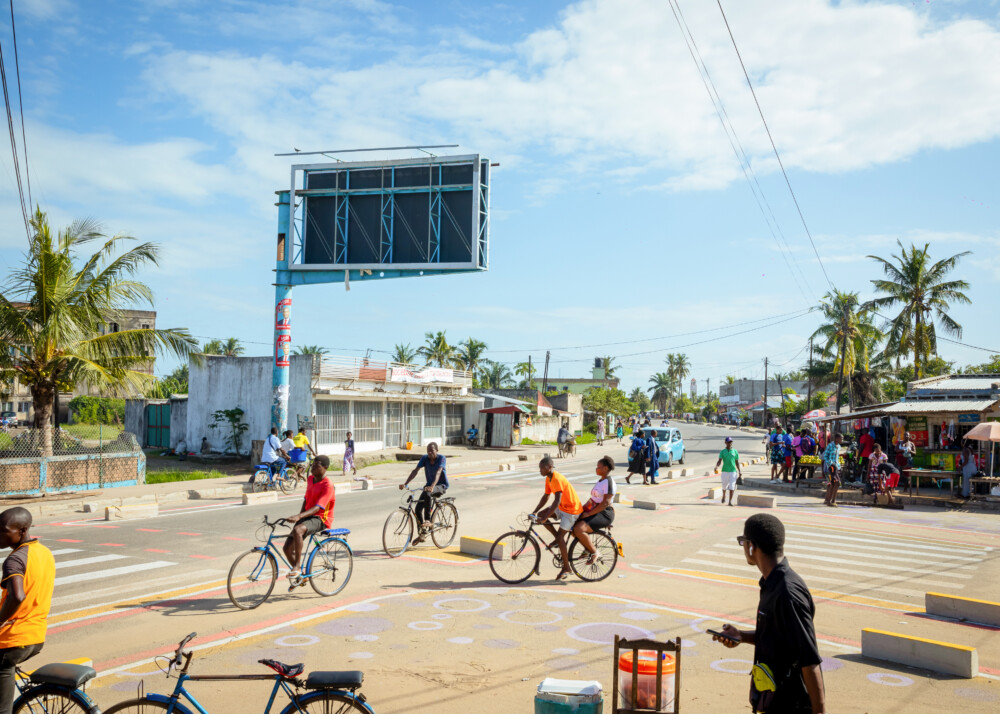
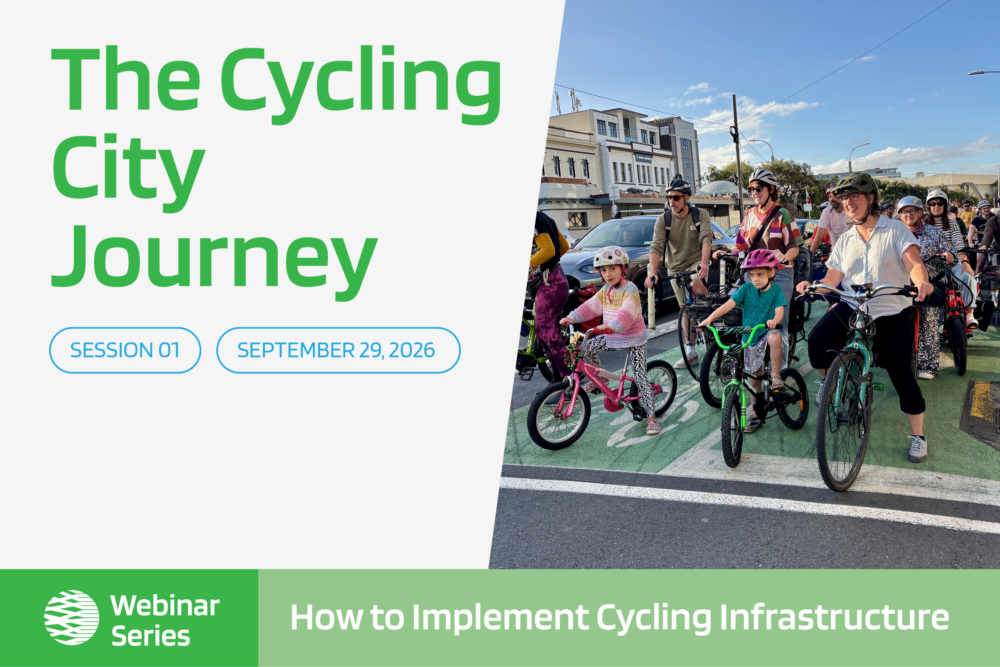
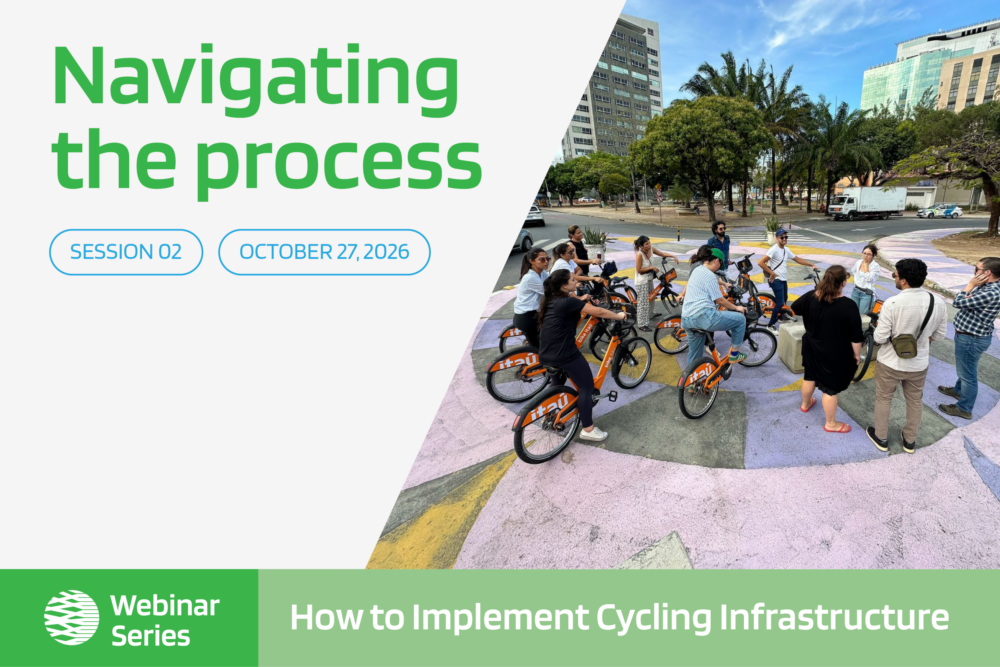
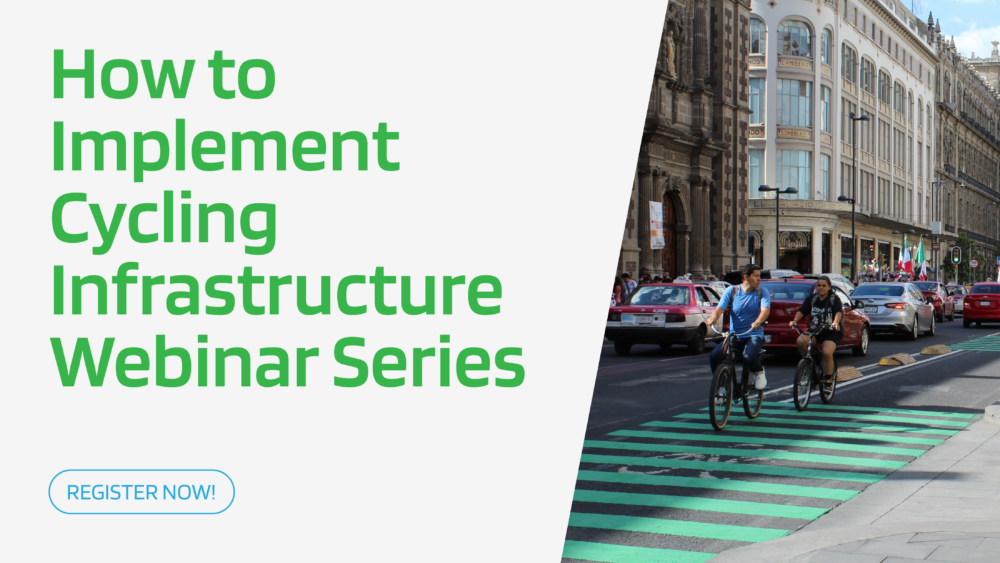
In September 2026, GDCI will launch a series of open and global webinar sessions on How to Implement Cycling Infrastructure—our latest practice-oriented publication. The series will explore key concepts from the handbook, share practical tips, and feature real-world examples that demonstrate how cities are working to increase cycling through infrastructure design.

Register now!

In June 2026, GDCI launched How to Implement Cycling Infrastructure—a vital addition to the body of practice-oriented publications supporting cycling infrastructure design and delivery. This resource provides practitioners, policymakers, and advocates with step-by-step guidance for conceptualizing, designing, and delivering safer, more equitable streets through cycling infrastructure across different contexts.

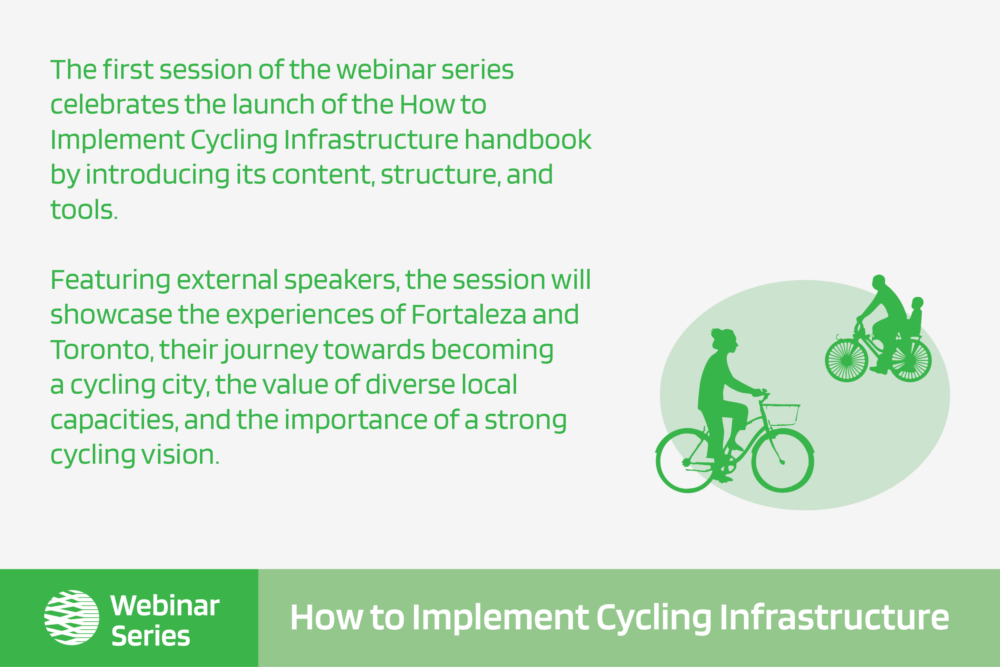
To celebrate this launch, GDCI is hosting a new webinar series to bring these strategies to life. We will explore the handbook’s core concepts and practical tools, while highlighting real-world success stories from cities working to create better urban environments through cycling.

Why cycling

Catalyzed by urgent challenges like the climate crisis and growing public health concerns, cities are increasingly moving beyond traditional, car-centric approaches and investing in cycling as a practical, people-centered mobility solution.

Cycling is a fast, cost-effective strategy to create safer, healthier, more vibrant, and more inclusive urban environments. The momentum is global, and cities are proving that better streets are achievable

    • Cycling contributes significantly to public health by reducing traffic crashes and promoting daily physical activity, reducing all-cause mortality, and cardiovascular mortality.
    • Investing in cycling infrastructure improves the livability and accessibility of cities by creating attractive, quieter environments people can navigate independently, while fostering social interaction.
    • Cycling infrastructure provides basic, affordable, and accessible mobility options that are crucial for low-income populations and marginalized groups to reach jobs, education, and essential services.
    • Cycling reduces harmful emissions and air pollutants by shifting trips away from motorized vehicles, thereby mitigating climate change and improving local air quality.
    • Cycling infrastructure generates economic benefits by reducing societal costs associated with traffic congestion and healthcare, and attracting customers who increase retail sales.
    • Cycling can seamlessly integrate with transit by serving as an efficient and convenient feeder mode that expands the catchment area and increases ridership of transit systems.
    Fill 1 caret-right

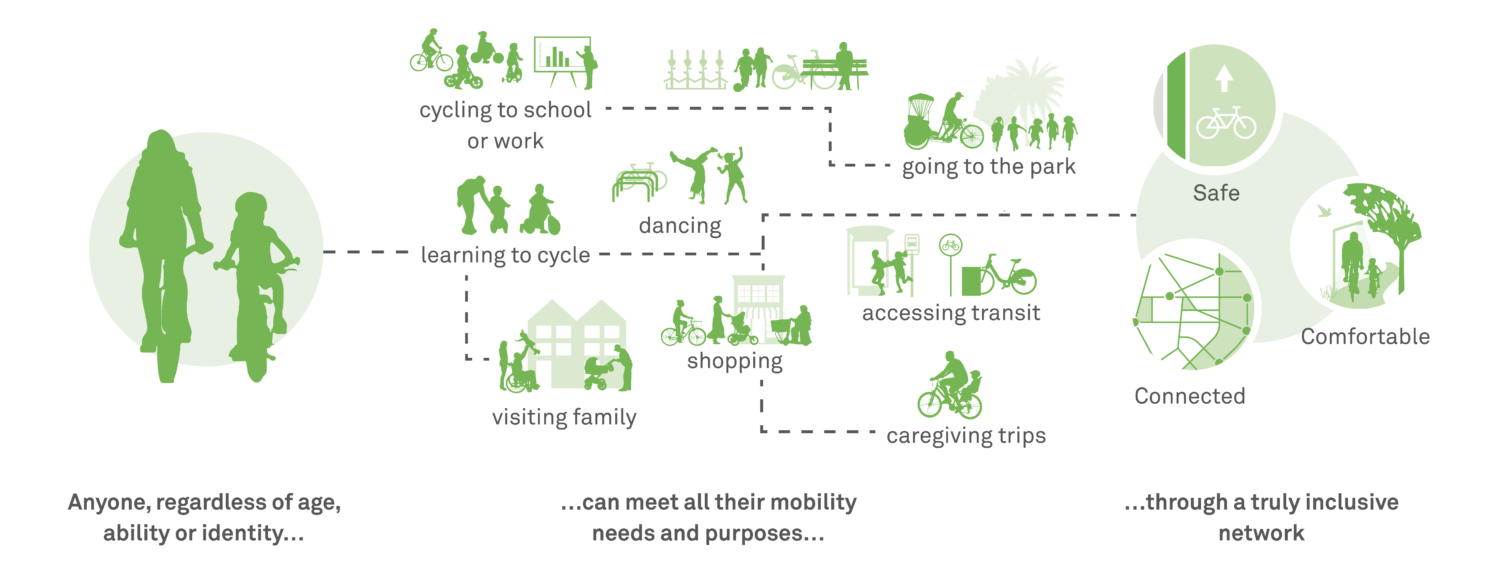
    To make cycling a viable option for more people, cities need networks that support not only commuting, but also caregiving, errands, social trips, and daily routines. That means designing cycling infrastructure as part of a larger street system — one that works in harmony with walking and public transit to create seamless, connected mobility networks.

    When cities integrate these modes and respond to local context, they can build streets that provide reliable, comfortable, and dignified travel for everyone. Safe, connected cycling infrastructure can expand access, choice, and quality of life for everyone!

    Lessons from the Bloomberg Initiative for Cycling Infrastructure

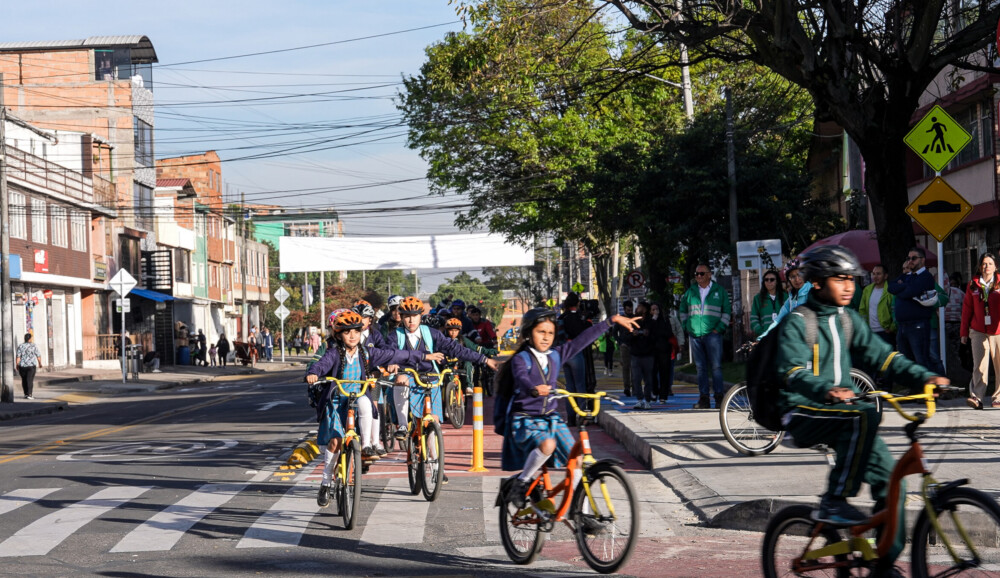
      • Infrastructure drives adoption: Providing physical protection is the single most effective way to eliminate fear and increase cycling uptake across all demographics.
      • Capacity & technical guidance: Scaling citywide networks requires building local capacity, establishing clear design standards, and robust stakeholder engagement
      • Building a cycle network is a multi-scale effort: Although work may begin with a single project, success depends on how these efforts eventually connect to a broader network plan
      • Quick-build projects accelerate impact: Interim interventions build public trust, and generate critical safety data early in the process
      Fill 1 caret-right

      We’re thrilled to invite leaders, practitioners, community activists, educators, caregivers, and everyone passionate about shaping safer and more livable streets to:
      Hear from city practitioners and global experts about leading practices.

      Learn from diverse and detailed case studies.

      Access helpful and practical resources to inform and apply in your cities.

      Connect to a global community working to promote safer streets for everyone.

      Recent Webinars

      BICI informational sessions

      Webinars

      BICI informational sessions

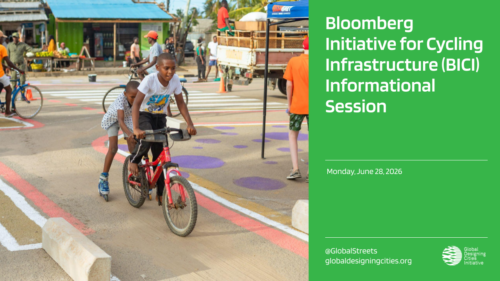
      This informational session offers a brief overview of the Bloomberg Initiative for Cycling Infrastructure (BICI), a global program helping cities rethink their streets through safer, more connected cycling infrastructure, answers questions and provides guidance on submitting a strong application.

      Designing for Safe Speeds webinar series

      Webinars

      Designing for Safe Speeds webinar series

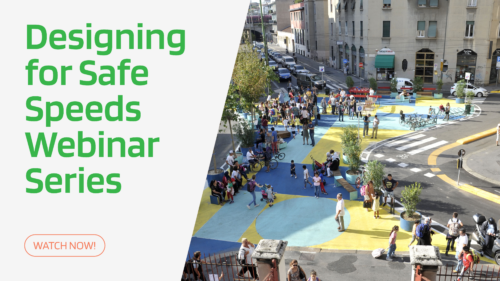
      In March 2026, GDCI will launch a series of open and global webinar sessions on Designing for Safe Speeds —our latest supplement to the award-winning Global Street Design Guide. The series will explore key principles from the guide, share practical design strategies, and highlight real-world examples that demonstrate how cities are managing speeds and saving lives.

      Streets for Kids webinar series

      Webinars

      Streets for Kids webinar series

      Starting July 2025, GDCI will launch a series of open and global webinar sessions. The series will spotlight global practices, tools, and lessons learned around key themes and priorities that reflect what matters most to the community driving the global movement for safer, healthier, and more joyful streets for kids today.