Streets for Kids looks at cities through the lens of children and their caregivers.
GDCI is a pioneering global leader in the movement to improve cities for kids through the Streets for Kids program. With our team of urban planners, architects and designers, we work directly with city governments and their local partners to reshape city streets in kid-centric ways that ensure a cleaner, healthier, and safer future. Read Streets for Kids 2025 impact summary.
Since the program’s launch in 2018, Streets for Kids has collaborated with over sixty cities across the globe to deliver child-focused street redesigns. We do this by building local capacity to sustain and grow this work, implementing projects on the ground, and by catalyzing systemic policy changes, based on the principles and best practices from our award-winning Designing Streets for Kids guide which has since been translated into nine languages. But our reach and impact goes well beyond the cities in which we work. GDCI’s technical assistance to cities has helped catalyze broader change, transforming pilots into comprehensive programs and sparking policy shifts. In Fortaleza, Brazil; Cuenca, Ecuador; Istanbul, Turkey; Lima, Peru; Milan, Italy; and Tirana, Albania, our support has helped expand small-scale pilots into citywide initiatives that prioritize safe and equitable street design for children and their caregivers.
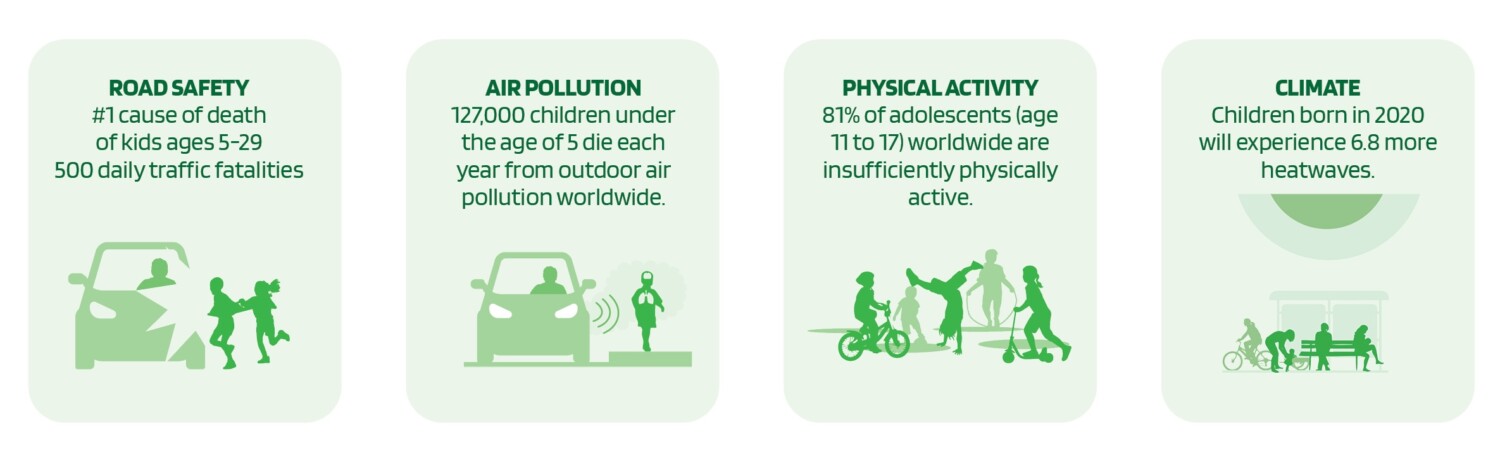
Cities are home to nearly a third of the world’s children today— and with growing urbanization, nearly 60 per cent of children globally are expected to live in urban settings by 2050. Yet most cities aren’t designed with children’s needs in mind. Air pollution, unsafe roads, and scarce safe spaces to move and play all threaten children’s health, safety, and physical, brain and emotional development. Streets are a solution. They shape everyday life: they can determine who can easily and safely reach school, essential services, and opportunities for growth and play – and how free children feel to explore and thrive. By redesigning city streets and putting kids at the center, we can create cities that are healthier, more inclusive, and more inspiring—for everyone.
Supporting Cities Through Projects and Policy Development
Through tailored technical assistance, Streets for Kids helps cities turn ambition into action. We partner directly with local governments, nonprofits, and consultants to design and implement street transformations that prioritize children’s safety, health, and well-being. Since the program’s launch, the program has assisted over 60 cities and directly supported the design and implementation of more than 45 projects near schools, improving access to school for 140,000 kids across the globe. Our support ranges from hands-on design and data collection to capacity-building workshops and guidance on long-term scaling. In cities like Fortaleza, Cuenca, Lima, and Tirana, our work has helped expand successful pilots into citywide programs and influence policy change. From building better streets to shaping the policies behind them, we help cities create lasting, systemic change for children and their caregivers.
Empowering cities with kid-centric guides, resources and tools
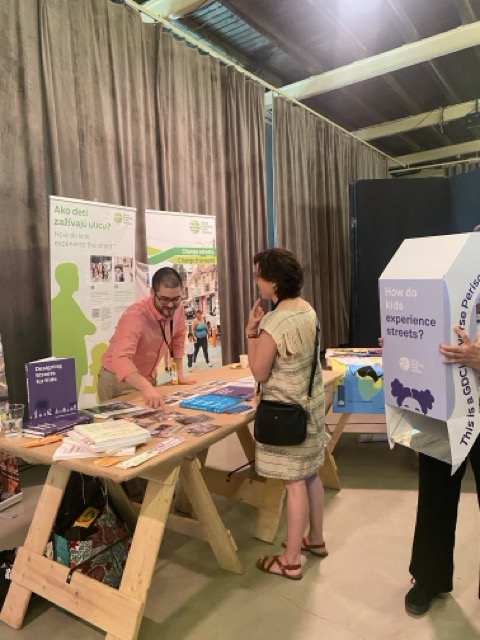
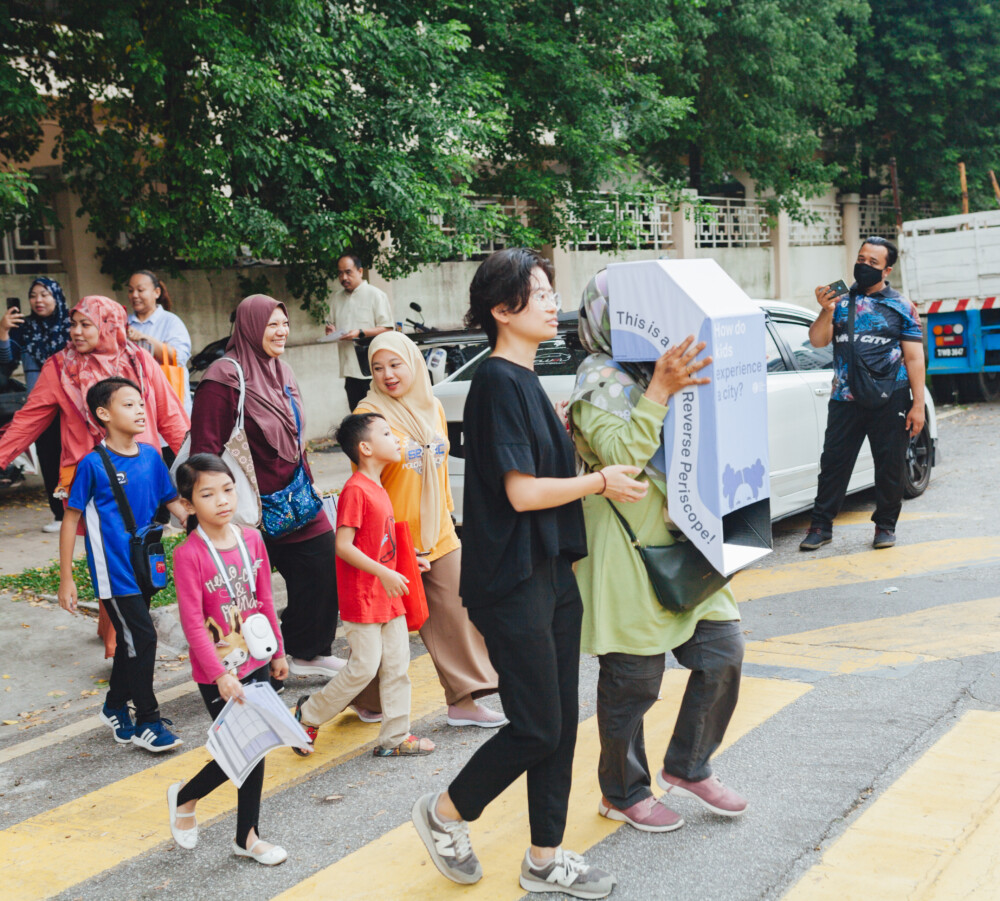
A core pillar of Streets for Kids is equipping cities with practical, high-impact guidance to design streets that work better for children–and by extension everyone. Since the arrival of Designing Streets for Kids we’ve provided designers, policymakers, and advocates with actionable tools grounded in global expertise. The guide—available in ten languages, reaching readers inapproximately 100 countries.—offers clear design strategies, case studies, and step-by-step processes to create streets that prioritize children and caregivers. We’ve since expanded this library with innovative engagement tools like the Reverse Periscope, which helps adults experience the street from a child’s perspective, and a growing collection of handbooks launched in 2024 that guide cities on kid-centric improvements from the inception to evaluation stages, including the How to Engage Kids in Street Design and How to Evaluate Street Transformations Near Schools. Together, these resources help city leaders, practitioners, and communities around the world to lead change with confidence, proven strategies, joy and creativity.
Building local capacity to lead change
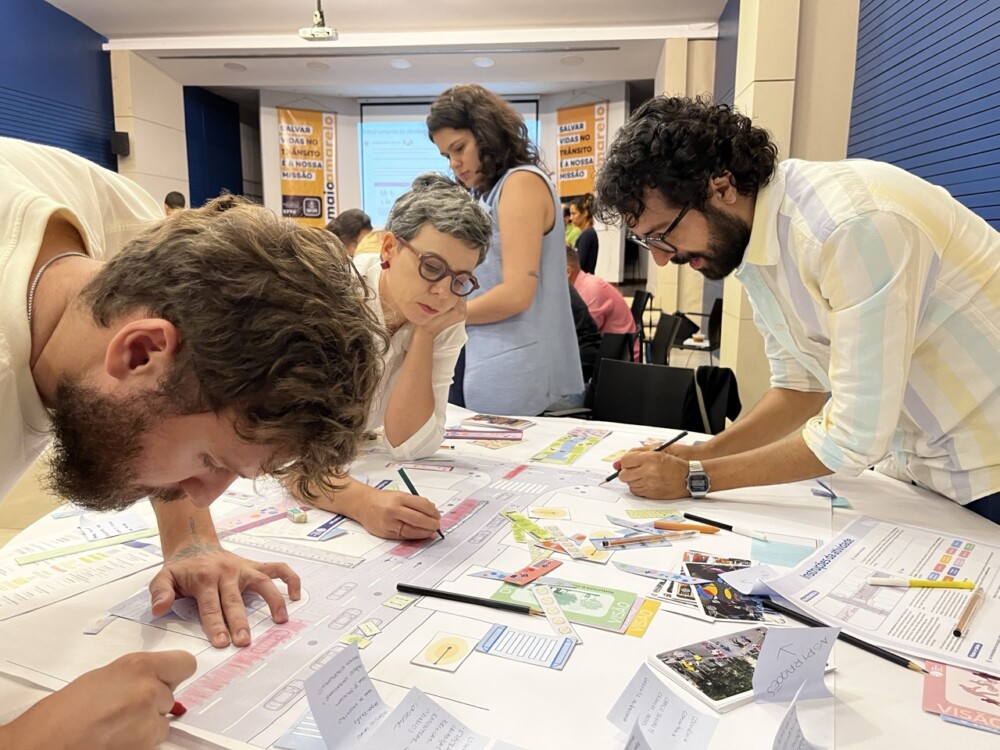
The Streets for Kids program also helps inspire local leaders to transform their cities by reshaping their processes, systems and teams. Through programs like the Leadership Accelerator, consisting of a curated training program, and technical partnerships, we provide guidance to designers, engineers, policymakers, and advocates to design streets that better serve children and their caregivers. Since 2020, GDCI has trained over 7,200 people including elected officials, practitioners, and community champions through its capacity building initiatives. Our Leadership Accelerator—which works at both global and regional scales—assembles city teams to exchange ideas, learn from global experts, troubleshoot together and co-develop actionable plans. As a technical partner of the Urban95 Academy, we also support mayors and municipal staff with hands-on coaching and guidance. Together, these initiatives are cultivating a global network of changemakers equipped to champion safer, more inclusive streets for kids.
Our work in action
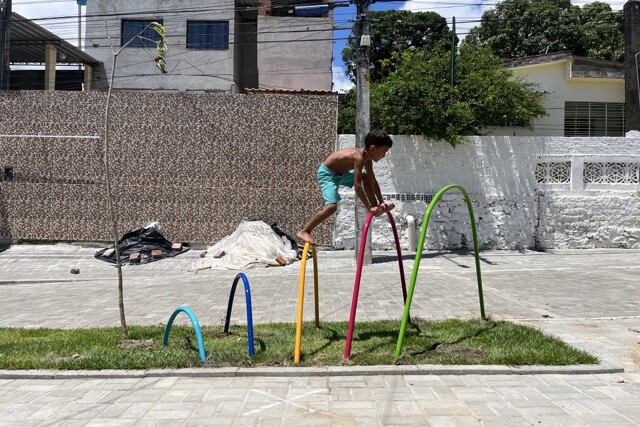
In Recife, the Streets for Kids project focused on Silva Jardim and 22 de Agosto streets in the Jordão neighborhood— a community where children face multiple challenges accessing safe and high-quality public spaces. Heavy rains, frequent flooding, and landslide risks often make their journey to school dangerous and unpredictable.
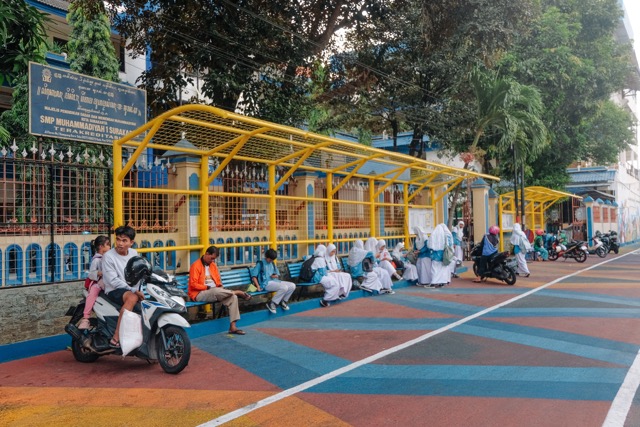
The Streets for Kids project in Solo, Indonesia, known as “Sukaria,” centered on actively engaging students and neighborhood children in reshaping the area around SMP Muhammadiyah 1 Surakarta School. Recognizing youth as key agents of change, the project used co-design workshops to empower over 500 students and residents to envision and create safer, more inclusive streets.
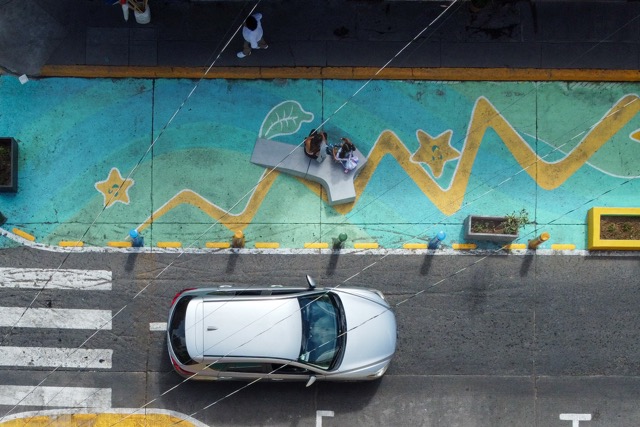
In León, Mexico, the Streets for Kids project transformed a key 90-meter block on Efrén Hernández Street, linking a children’s center (“DIF club”) and two middle schools to create safe, inviting routes that encourage social connections among children, caregivers, and neighbors. Beyond improving safety and mobility, the project reshaped the street into a vibrant public space where community life can flourish.
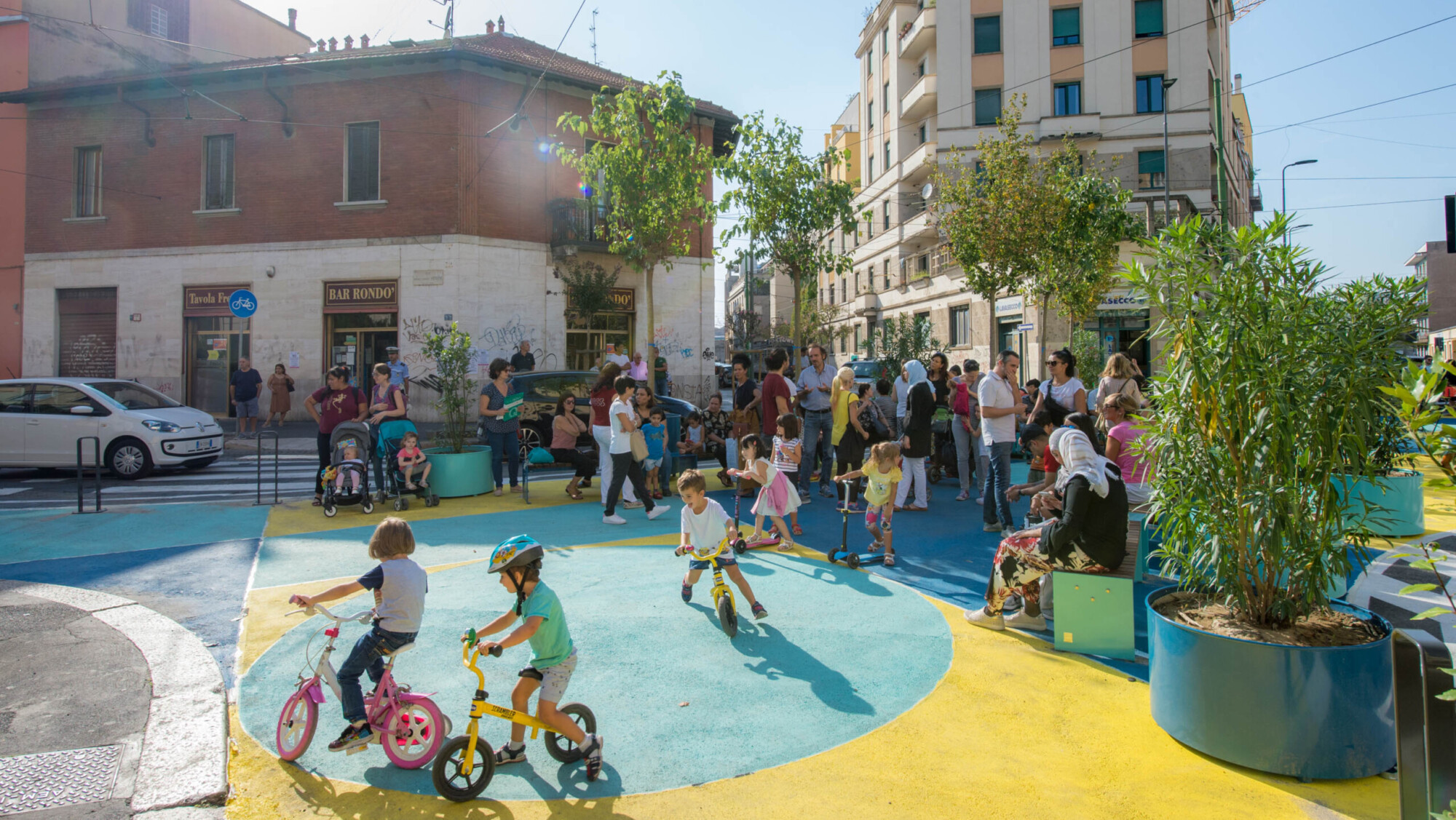
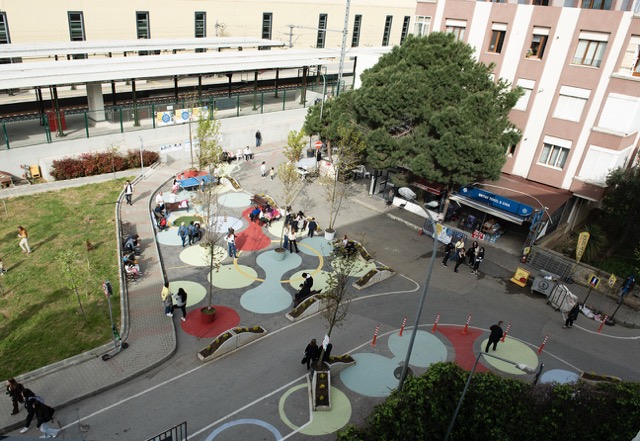
In Istanbul, Turkey, GDCI worked with Maltepe Municipality, Istanbul Metropolitan Municipality, and Istanbul-based design office Superpool to create new public spaces around a school in the Yali neighborhood. The intervention transformed an underutilized parking lot into a colorful neighborhood plaza and introduced a play street that serves the school community and neighborhood residents.
Scaling up Streets for Kids: Highlights from the 2025 Streets for Kids Leadership Accelerator
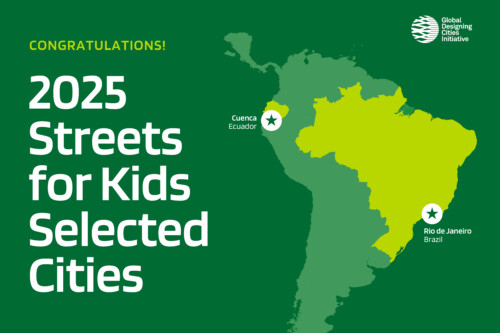
In 2025, GDCI brought together a selected group of 10 city teams working to scale up their efforts to create more and better Streets for Kids in Brazil, Colombia, and Ecuador through multiple projects, programs, and policies. Here’s a look back and key learnings from a two-month online capacity-building program.
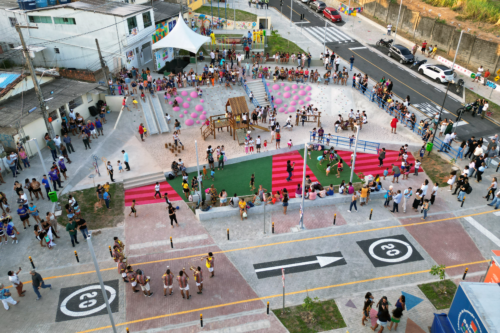
In October 2024, the Streets for Kids project was inaugurated in the Jordão neighborhood in Recife, Brazil, a community where children faced multiple challenges accessing safe and high-quality public spaces. Heavy rains, frequent flooding, and landslide risks often made their journey to school dangerous and unpredictable. Throughout the process, children, caregivers, school staff, and residents were engaged to co-create solutions that improve access to schools, supporte outdoor play and social connection, and set a precedent for future child-focused street transformations in Recife.