Update – webinar can be viewed here
May 19, 2022
9:00 am – 10:00 am ET
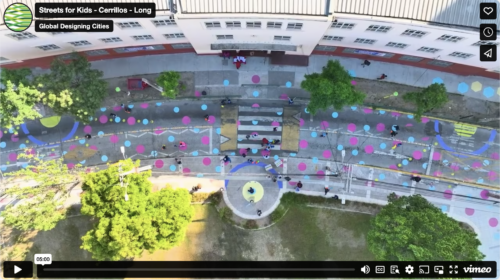
Join us for a live conversation with three cities to launch our new handbooks: How to Implement Street Transformations and How to Evaluate Street Transformations. These handbooks distill GDCI’s experience implementing and evaluating street transformation projects in cities around the world, and are an important step in changing the decades-long embedded practice of implementing and evaluating street transformations from a car-centric point of view. Through the methodologies highlighted in these resources, cities can redirect their focus from accommodating vehicles to creating streets that put people of all ages and abilities first.
Agenda:
(1) Presentation
- Intro/Welcome
- Overview: How to Implement Street Transformations
- Overview: How to Evaluate Street Transformations
(2) Panel
(3) Q&A and interactive discussion
(4) Wrap-up
Register Here
Moderators:
Fabrizio Prati, Director of Design (GDCI)Najwa Doughman, Program Manager (GDCI) Vivi Tiezzi, Urban Designer (São Paulo, Brazil)
For more information or suggestions on topics you would like to see covered in our webinars, write to us at info@gdci.global.
Return to GDCI Webinar Series