In 2022, the Street for Kids program launched its first-ever Leadership Accelerator, bringing 60 city leaders from 20 countries together to develop their skills, expertise, and professional network. After completing the accelerator, GDCI invited the teams to apply for a seed grant of 20,000 USD and year-long technical assistance to implement their vision of creating safe, attractive, and inspiring streets for kids in their cities. In April 2023, ten cities across four continents were selected to bring their visions to life: Abuja, Nigeria; Cuenca, Ecuador; Istanbul, Turkey; Leon, Mexico; Lima, Peru; Lusaka, Zambia; Recife, Brazil; Santiago, Chile; Solo, Indonesia; Tyre, Lebanon.
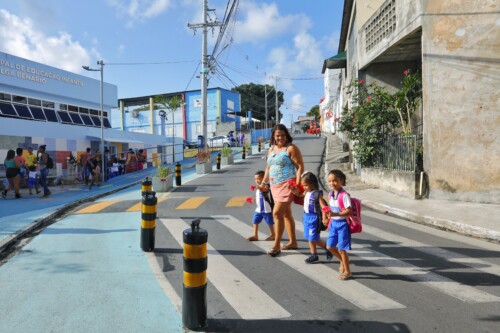
In León, Mexico, a Streets for Kids project in the Lomas de la Trinidad neighborhood created a safe, more accessible, and playful route for nearly 1,000 children attending a before and after-school children’s center (“DIF club”), a kindergarten, and two middle schools. In addition to improving safety and comfort, the project also aimed to encourage walking and cycling in the neighborhood and foster community participation and well-being.
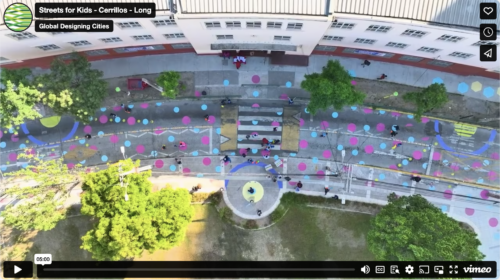
To focus on kids’ needs on their city streets, León redesigned a 90-meter block with three intersections on Efrén Hernández Street. The project extended sidewalks, added safe crossings and accessibility ramps, and introduced playful furniture and vegetation. Local female artists painted five murals, further enhancing the space and sense of community. A two-month engagement process was conducted, engaging over 400 kids, caregivers, and community members in 15 meetings and workshops around mobility, with community members also participating in implementing the project through painting and planting activities. The process was completed with an inaugural event with León’s Mayor, government and city officials, and community members to celebrate the achievement.
Following the transformation, weekday vehicle volumes decreased by a third, 82% fewer vehicles exceeded 30 km/h, and play activities tripled. 75% of parents reported they feel the street is safe for their children to play and cycle independently, compared to just 1% before the project.
León plans to design and implement similar transformations around its family service centers. In 2024, it aims to implement a second project in the 10 de Mayo neighborhood, and it continues to evaluate and study the Lomas de la Trinidad project to inform its future projects.
To learn more about designing streets for kids in your city, download the Designing Streets for Kids guide, now available in multiple languages.