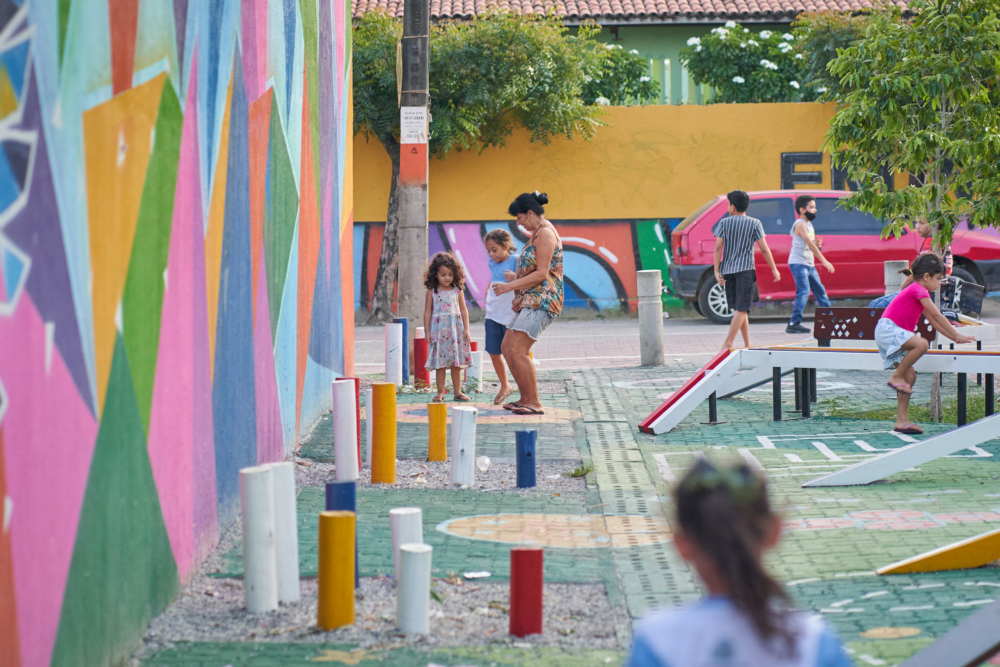
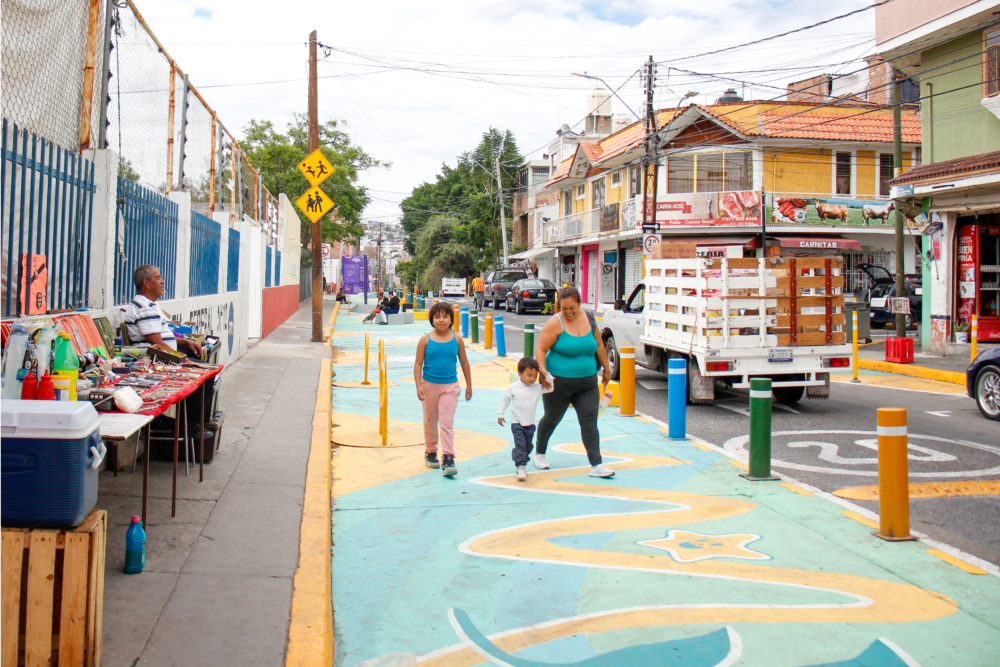
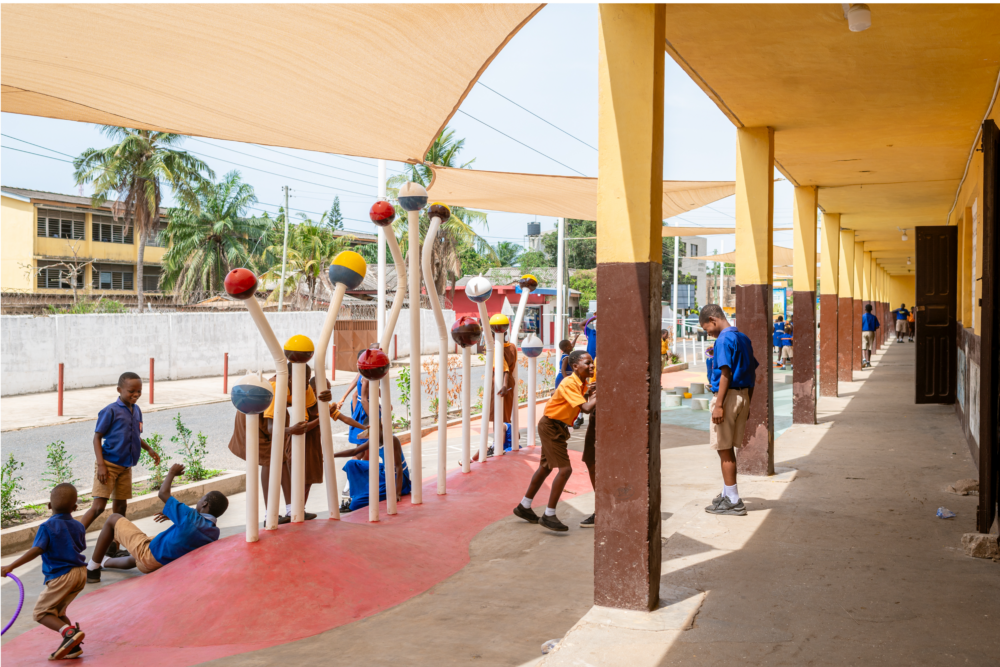
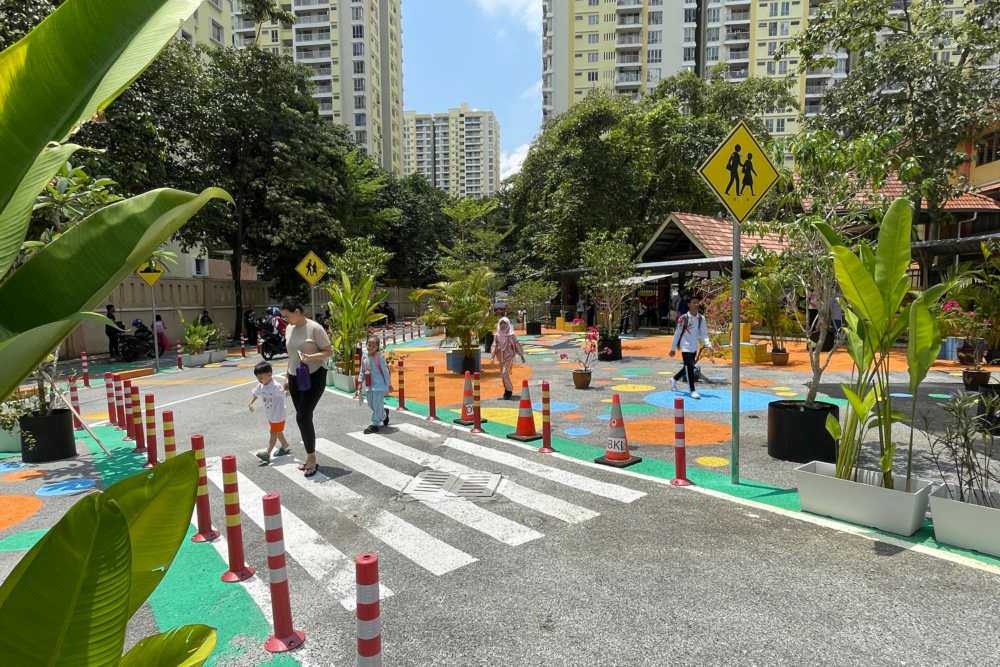
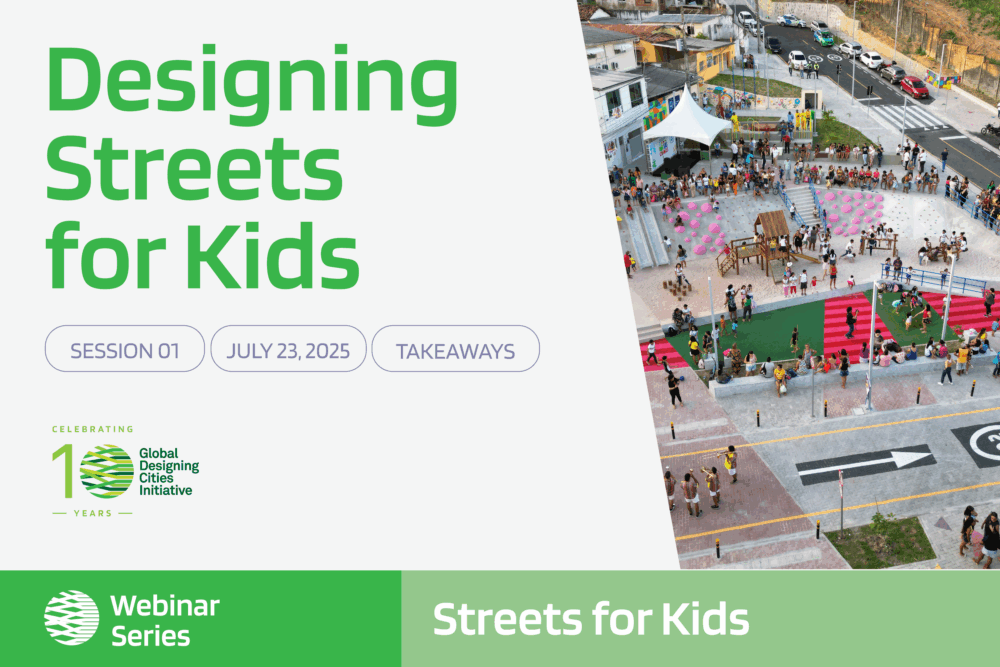
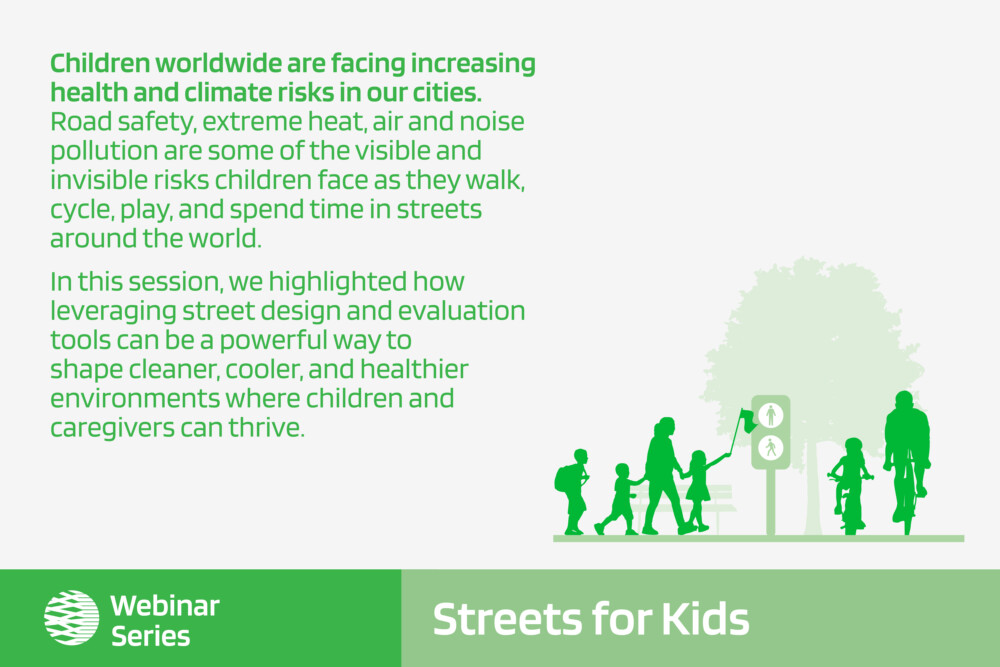
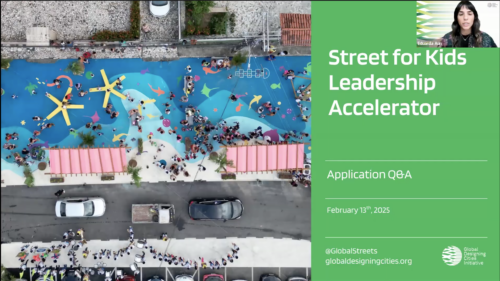
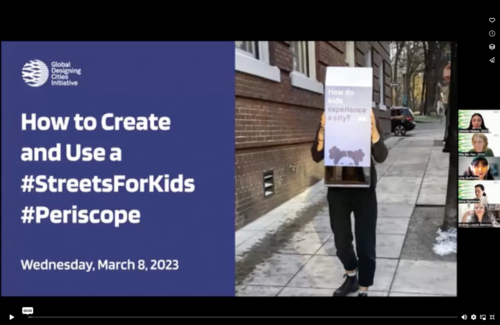
In 2025, GDCI celebrated five years since the launch of the Designing Streets for Kids guide by hosting a series of open, global webinars highlighting the global movement to reshape streets to support the well-being of children, their families, and communities. The series explored global practices, tools, and lessons learned around key themes and priorities that reflect what matters most to the community, driving the global movement for safer, healthier, and more joyful streets for kids today.
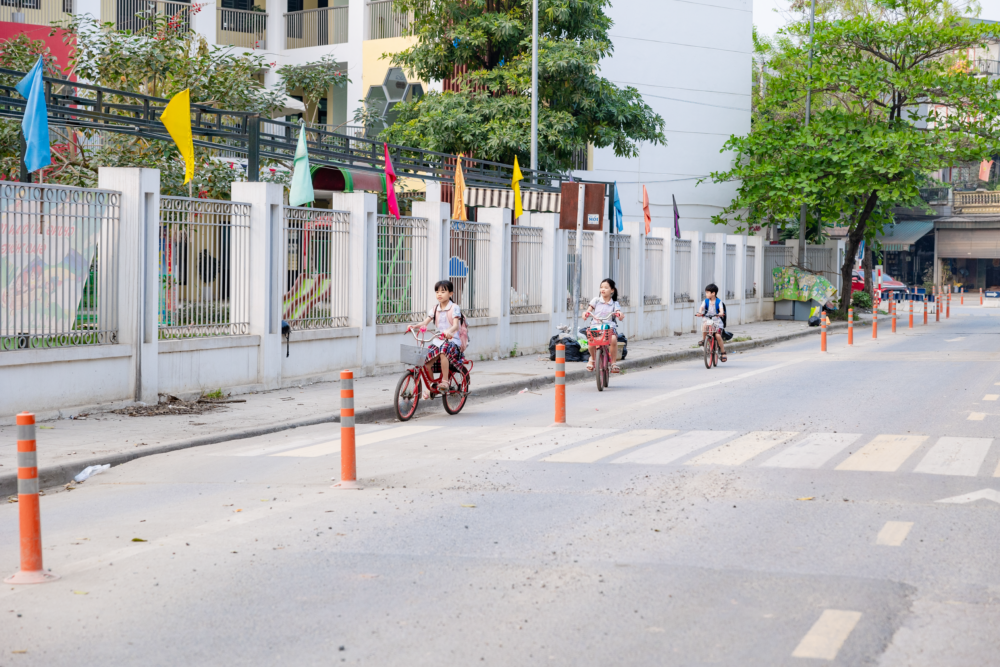
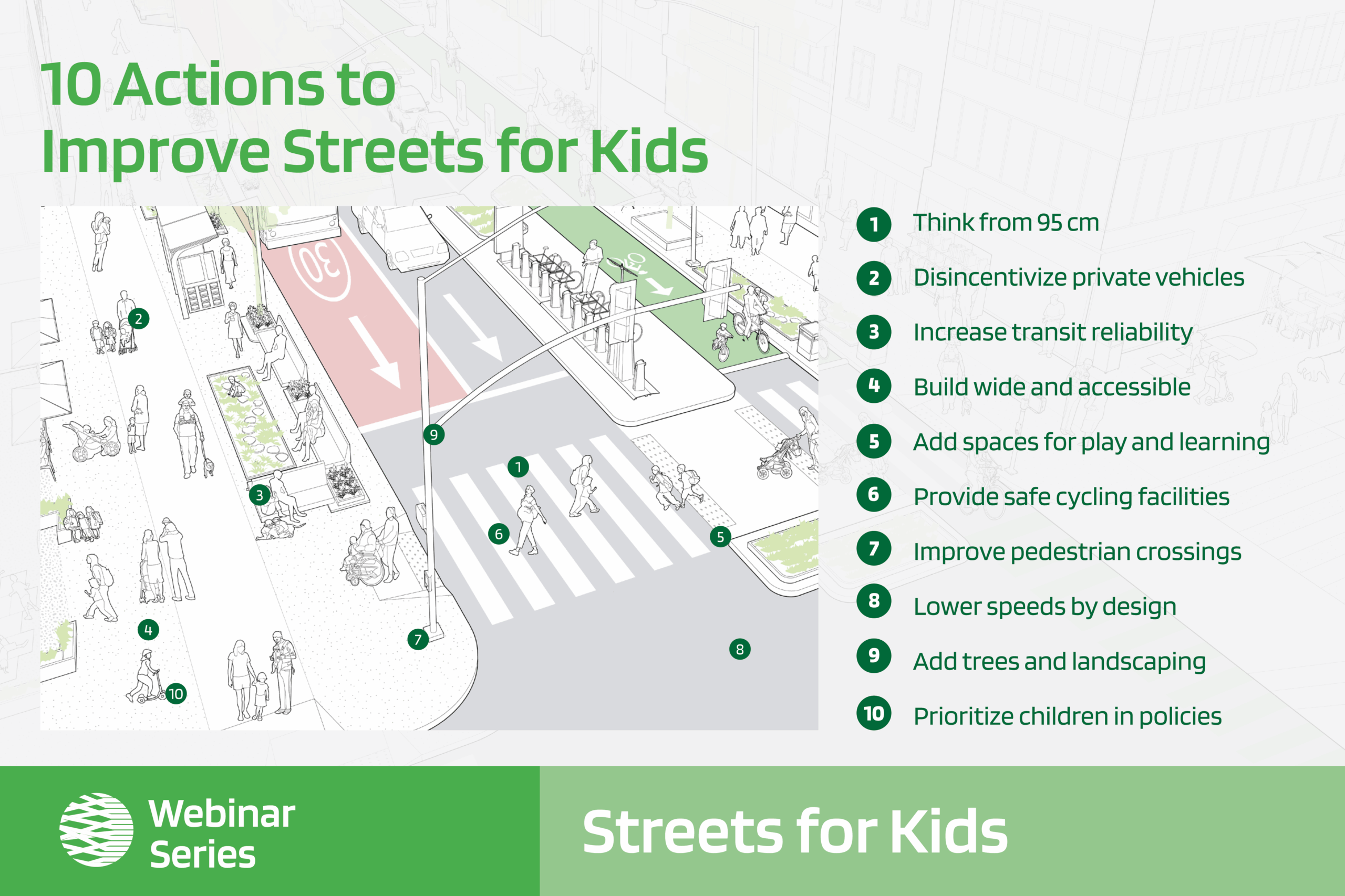
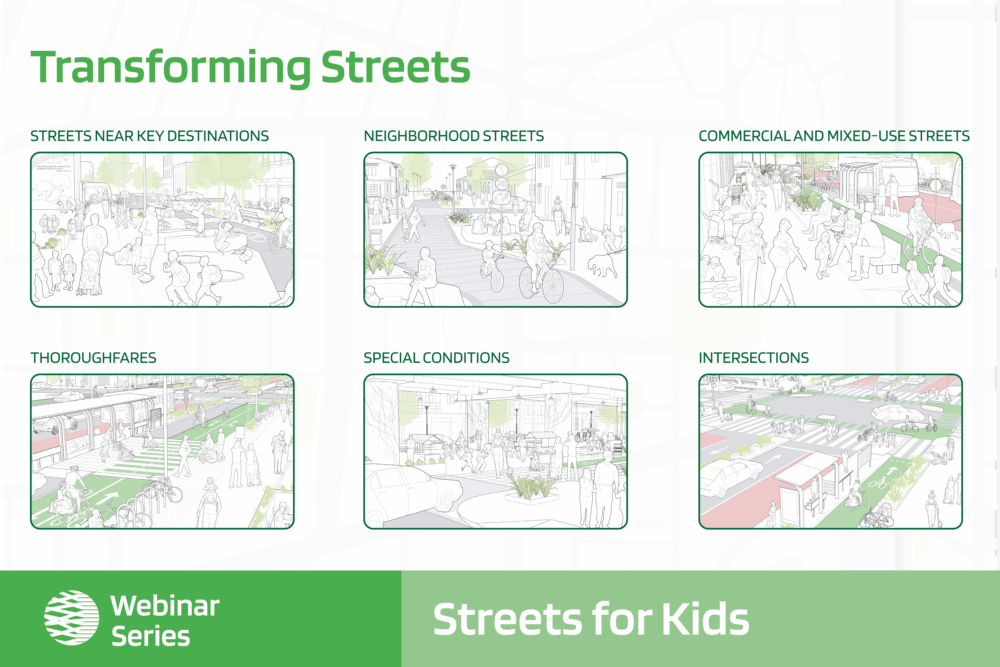
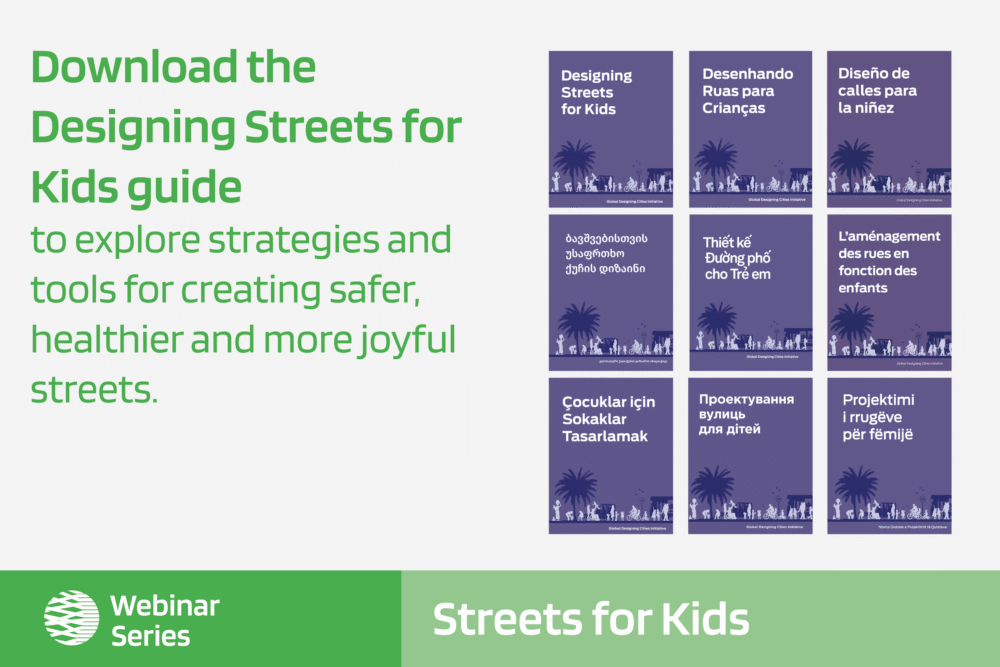
Launched in 2020, the Designing Streets for Kids guide shows the power of well-designed streets to help solve a range of problems kids face in urban environments, and to open a world of life-changing opportunities. In cities everywhere, streets are not designed with children in mind, resulting in neglected, underused, and unsafe environments that limit their ability to walk, cycle, and play independently outside. Building on the Global Street Design Guide, the Designing Streets for Kids guide captures international best practices, strategies, programs, and policies that cities around the world have used to design spaces that enable children of all ages and abilities to utilize cities’ most abundant asset – streets. The guide includes design recommendations and case studies that highlight streets that are safe, enjoyable, and inspirational for children and caregivers.
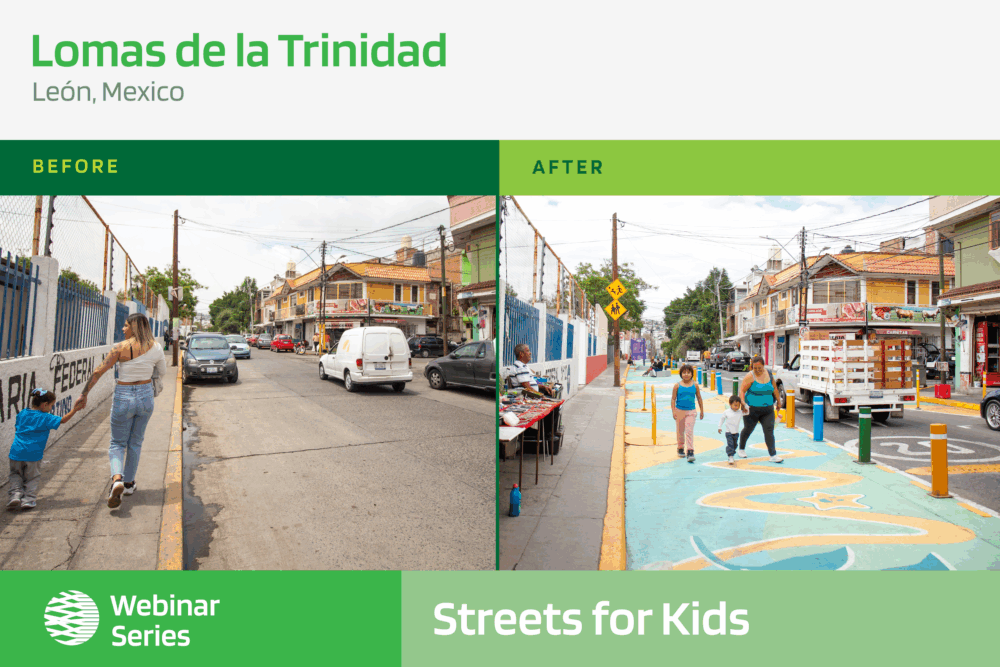
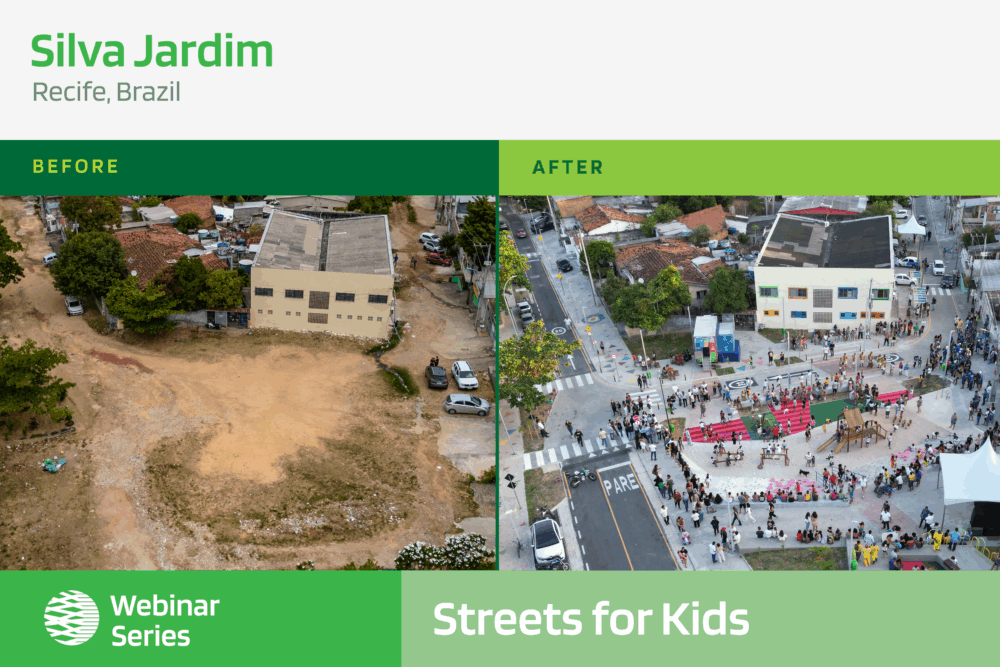
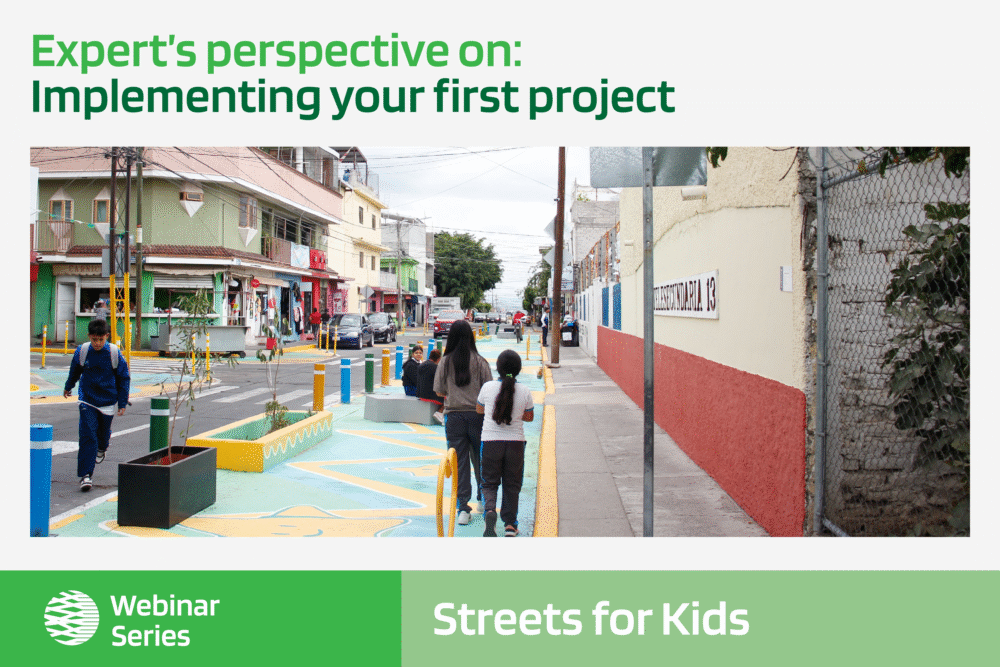
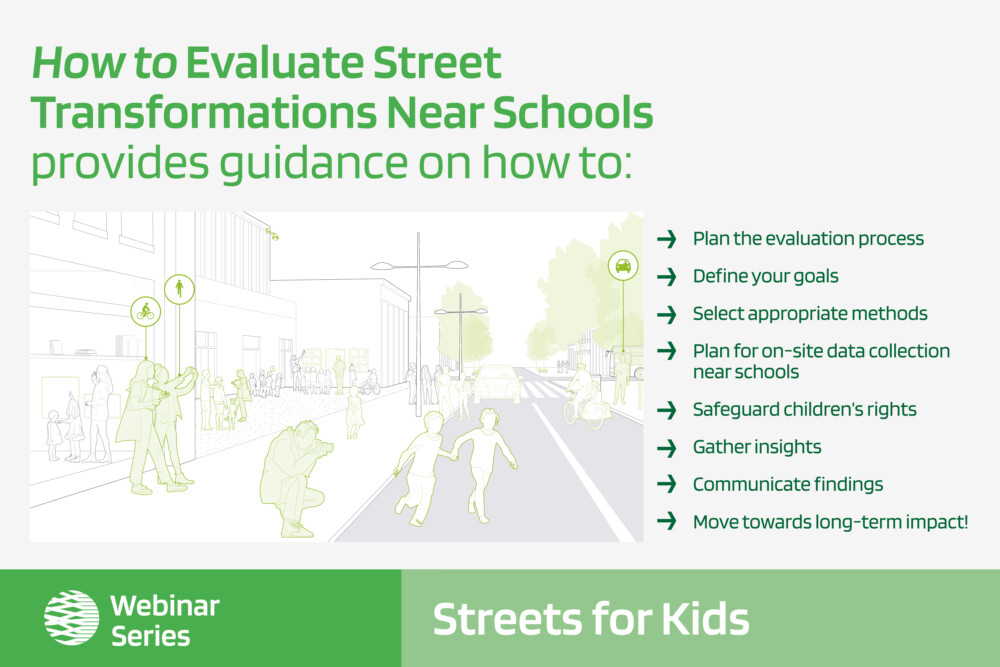
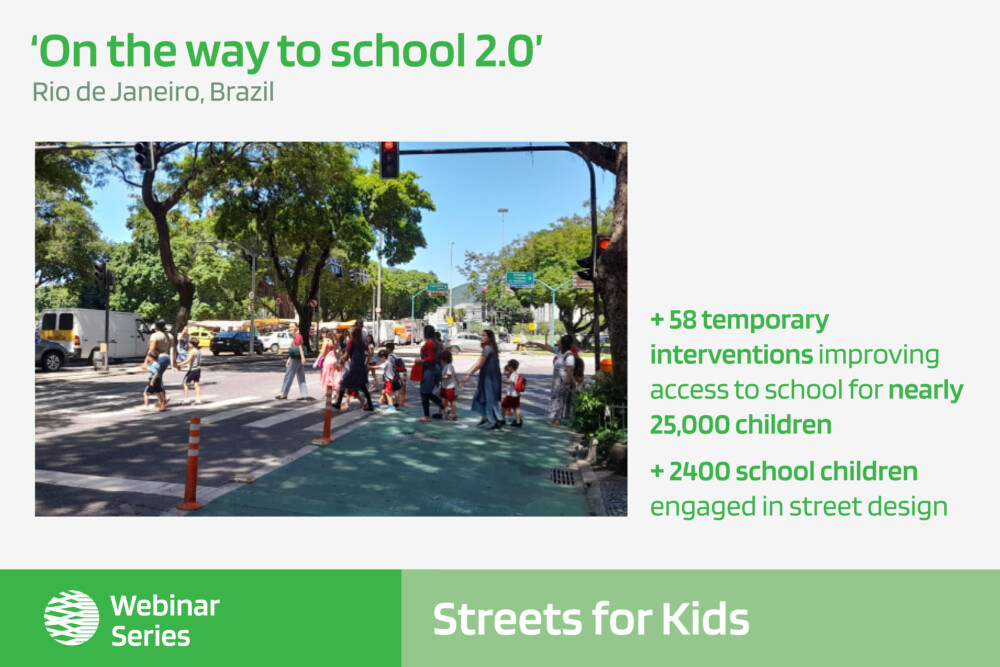
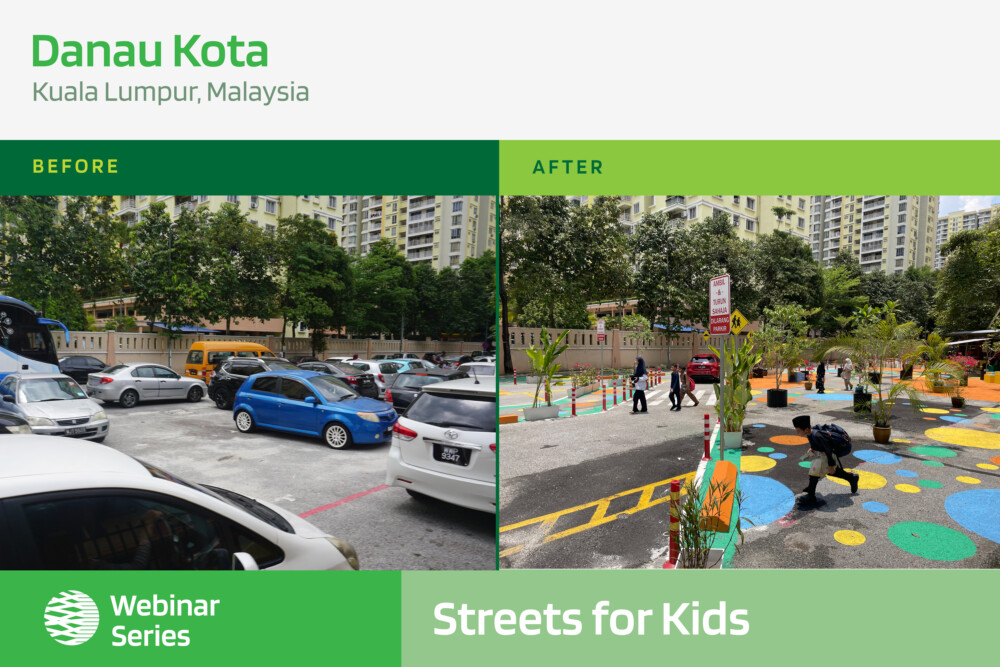
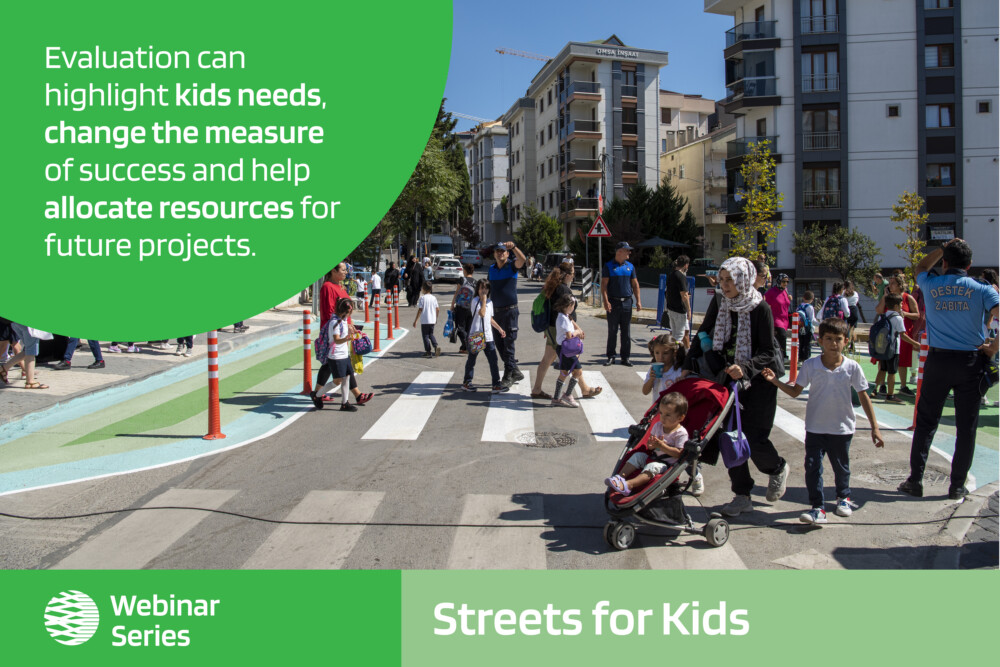
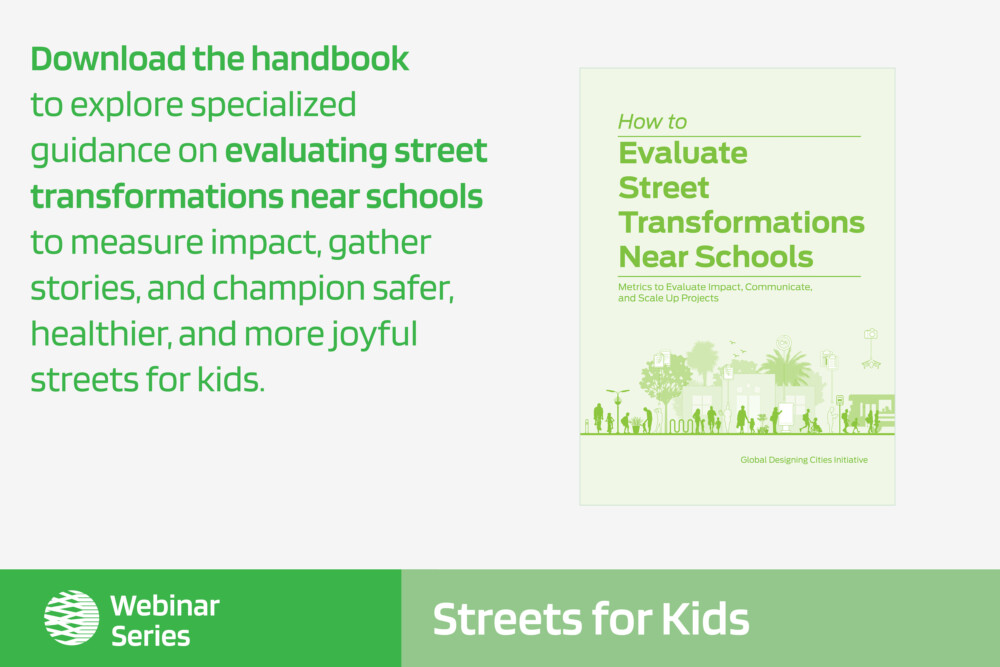
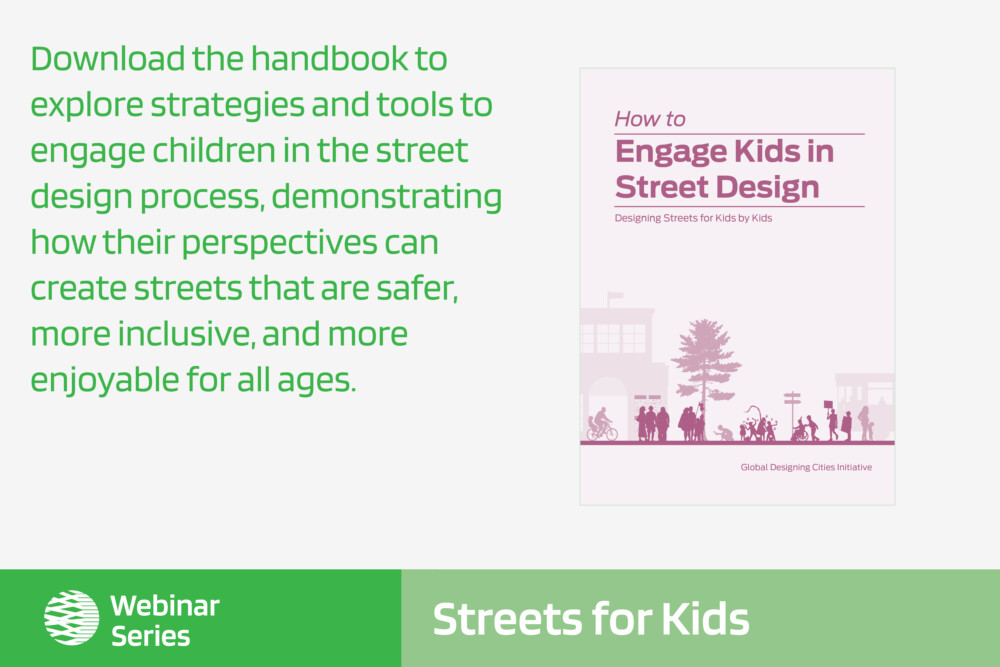
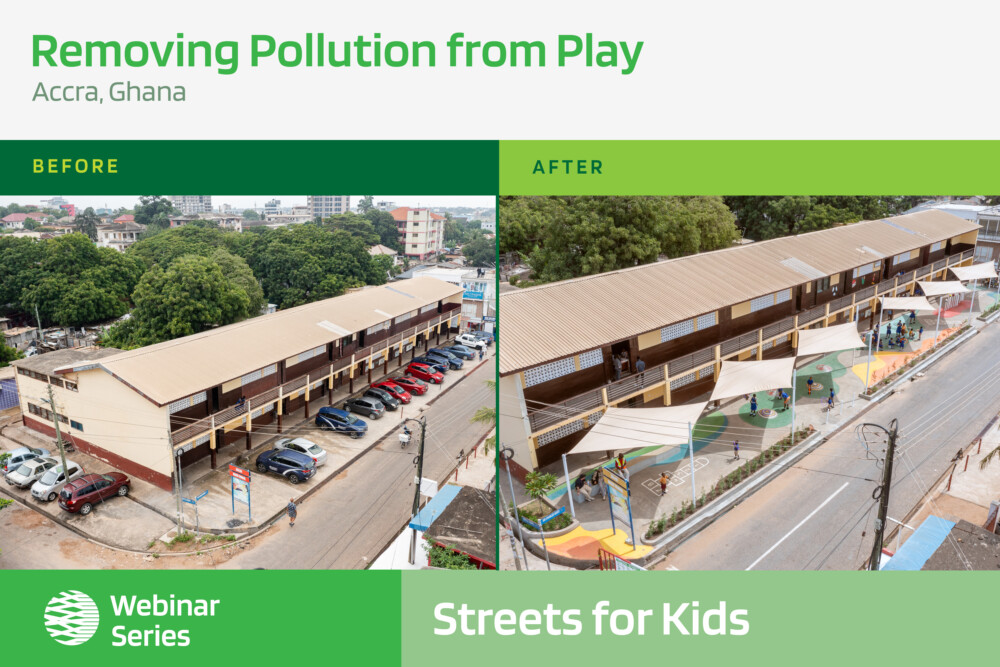
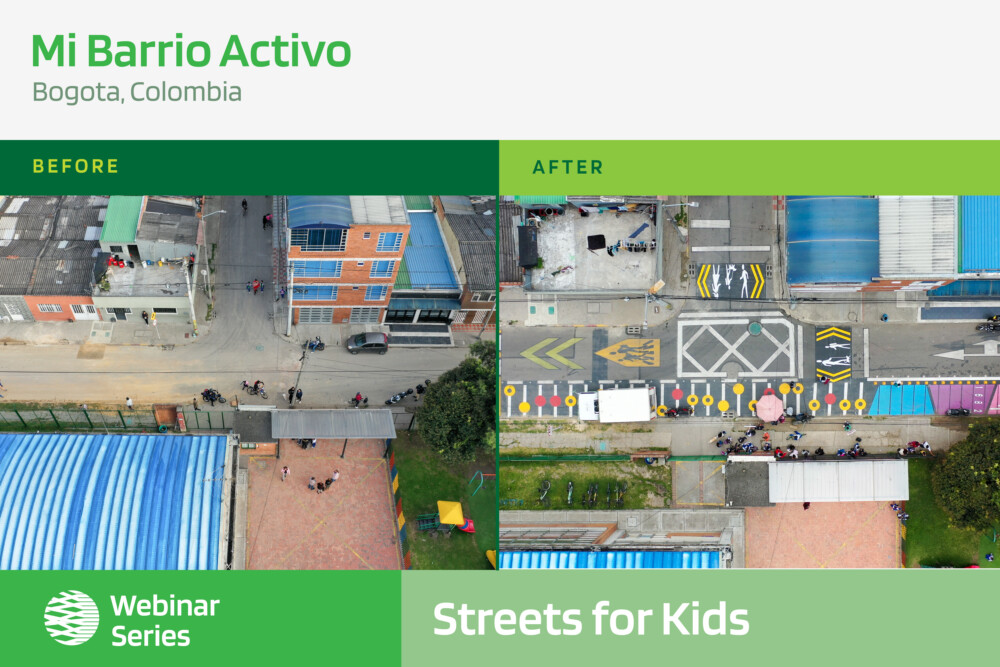
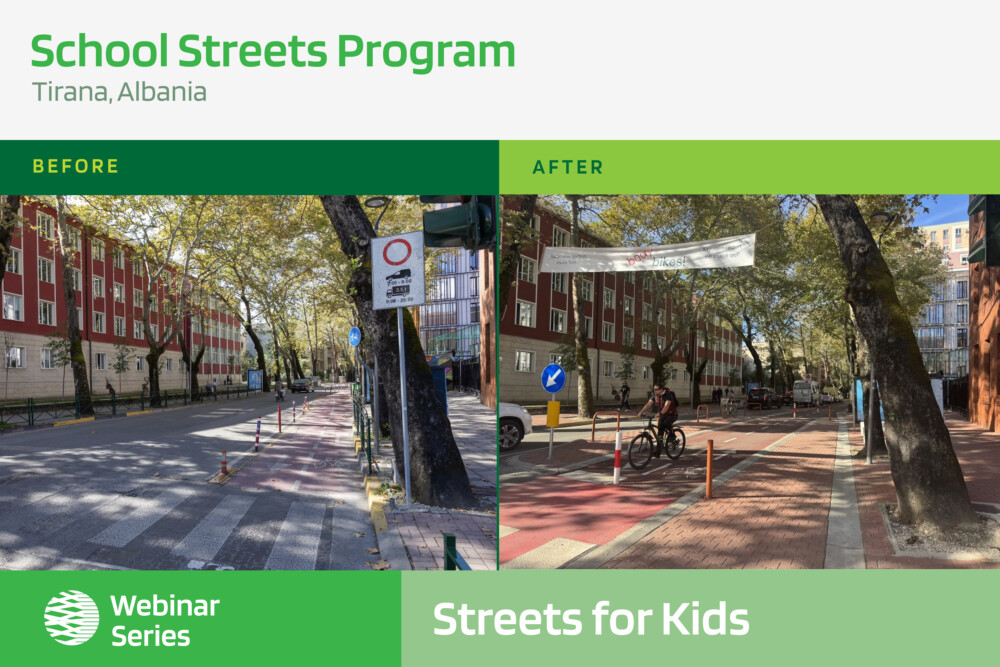
Much has happened in the five years since the release of the Designing Streets for Kids guide! GDCI has helped build local capacity in more than 60 cities to shape Streets for Kids, hosted two cycles of the Streets for Kids Leadership Accelerator, trained more than 7,000 practitioners, city officials, and local NGOs, and published two new resources that help center children in Streets design: How to Evaluate Streets near Schools and How to Engage Kids in Street Design. With our partners, we transformed over 45 streets near schools, protecting over 141,000 children and improving their access to over 100 schools. These projects demonstrate what’s possible when we rethink street spaces, while working with local leaders to measure and evaluate their impact. Around the world, exciting initiatives continue to emerge and inspire new resources, community-driven programs, and bold street designs.
As part of the webinar series, we invited leaders, practitioners, community activists, educators, caregivers, and everyone passionate to share what they’ve learned about shaping streets that prioritize children.
Designing streets for the next generation: A recap of our webinar series
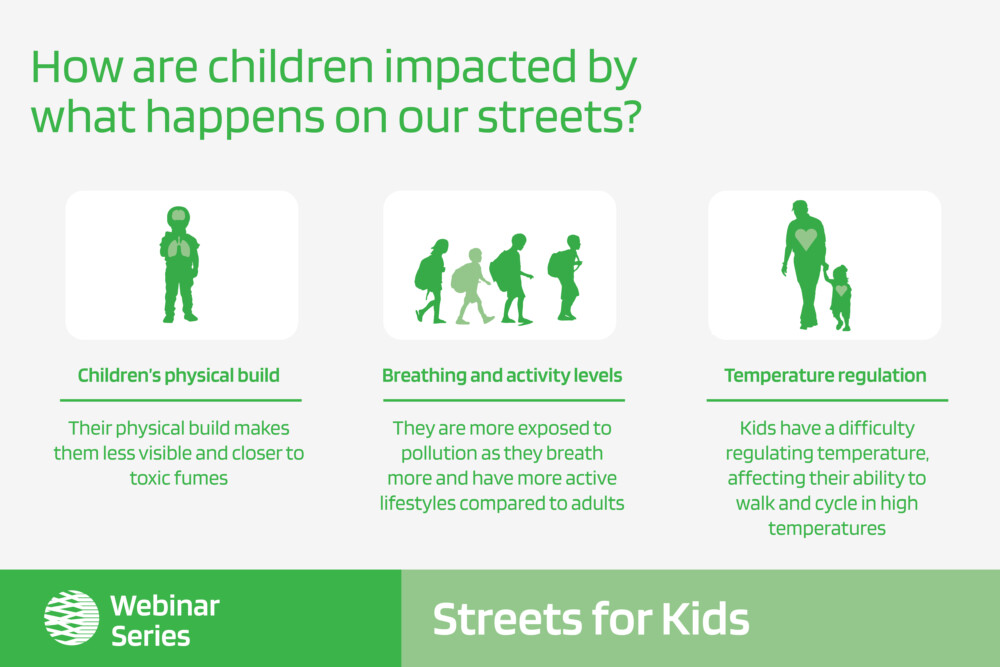
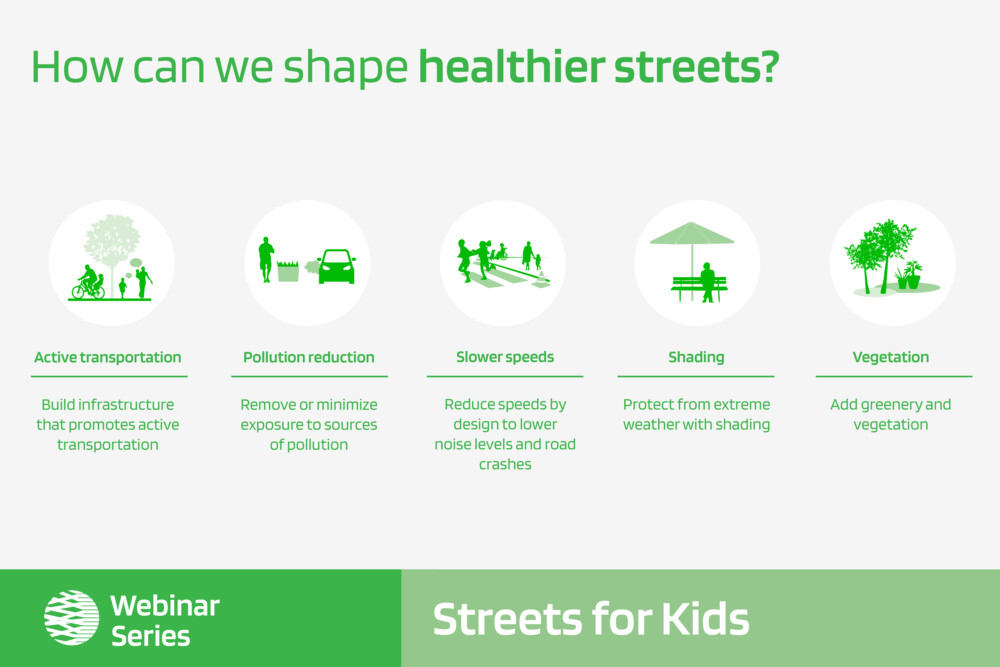
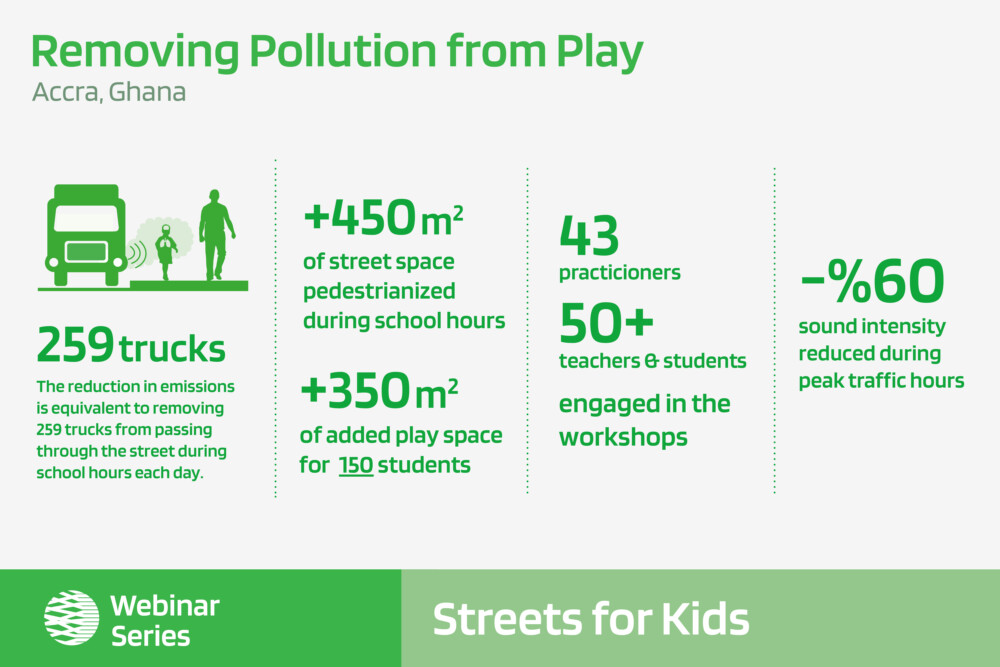
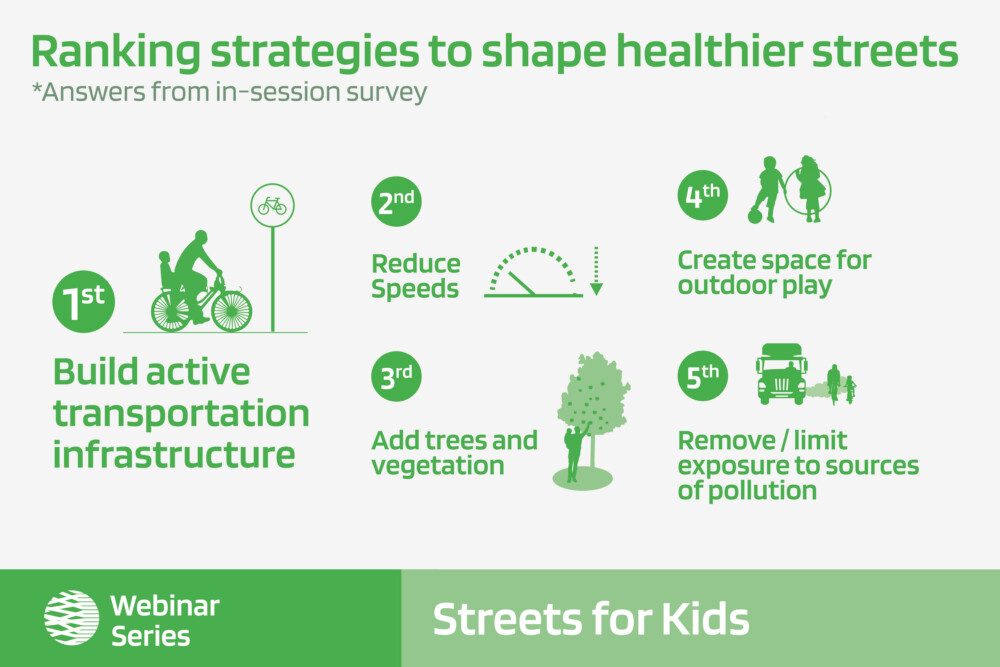
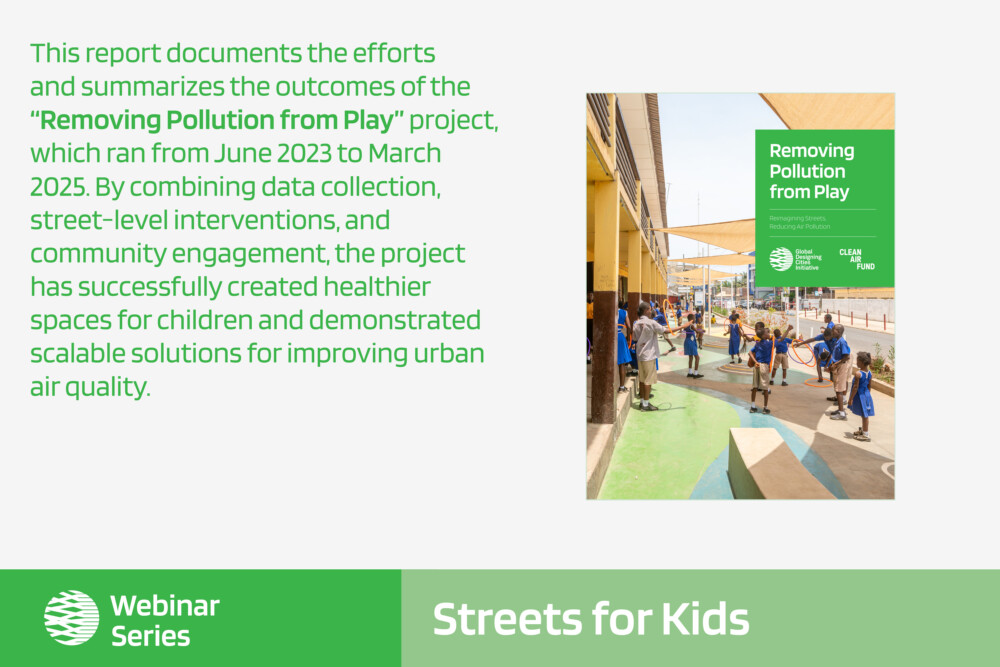
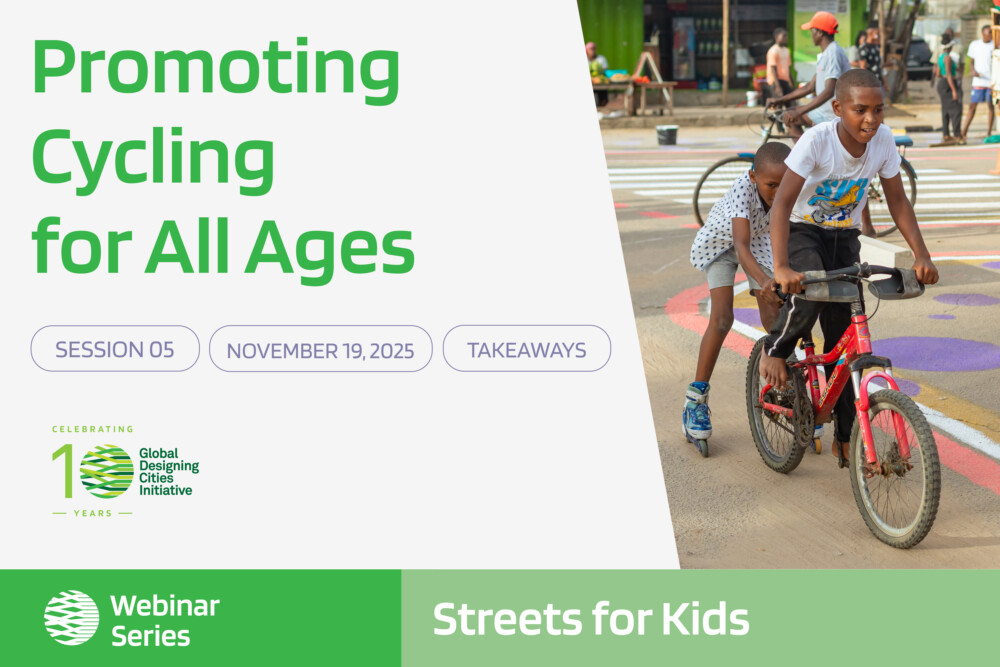
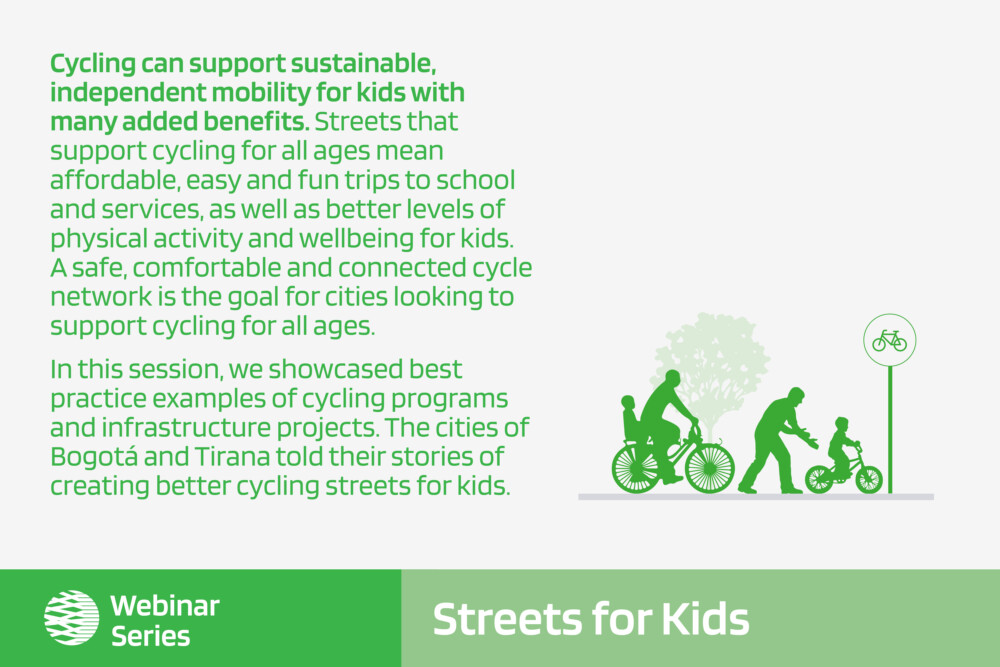
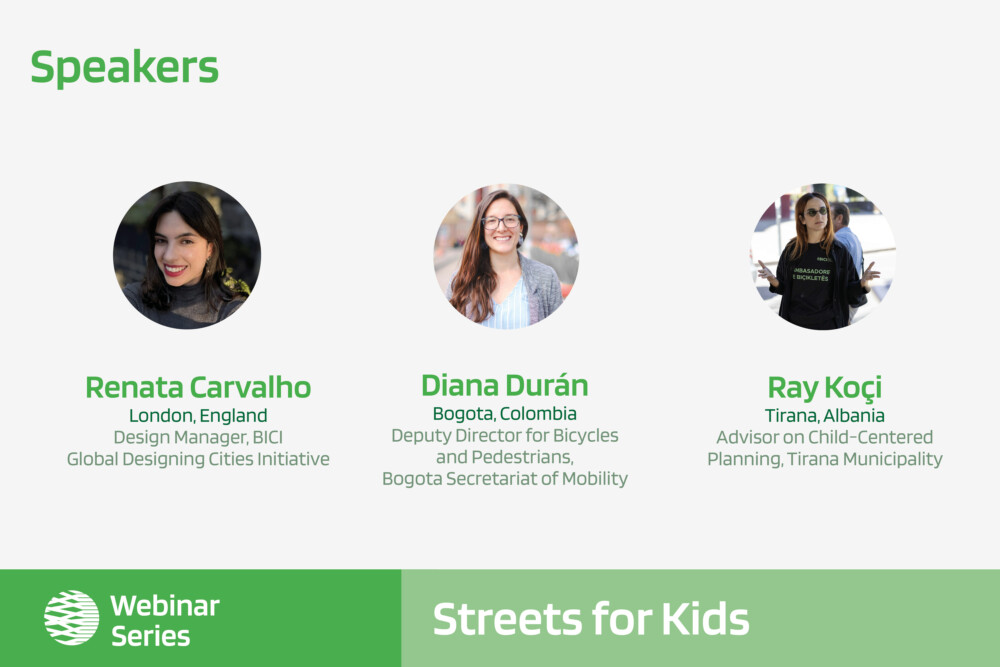
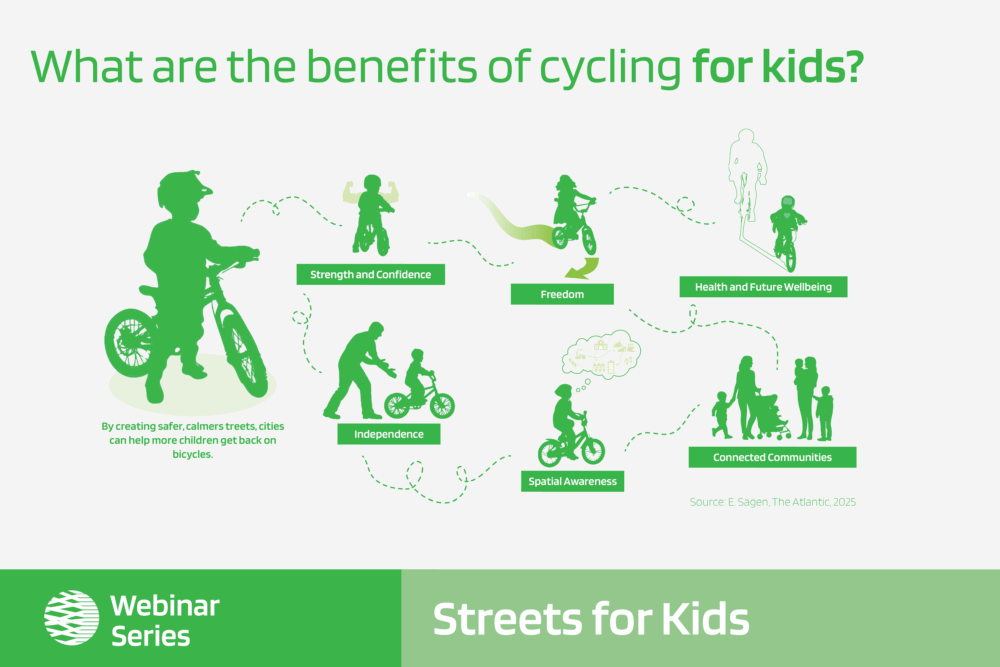
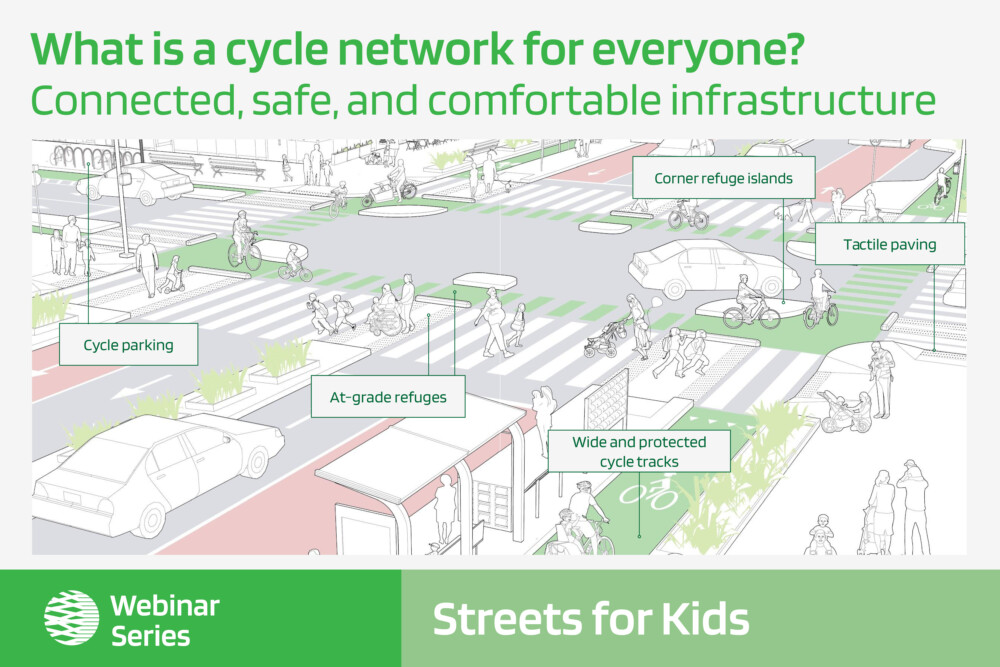
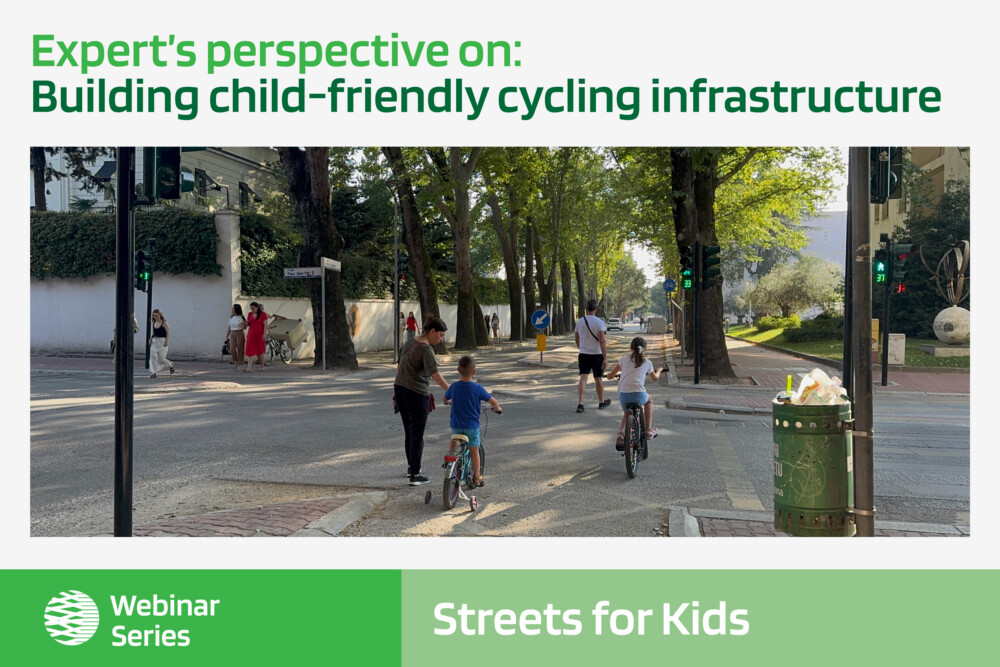
The webinar’s five sessions highlighted many of the global challenges children face today and proposed practical ideas to improve urban environments for children. During the sessions, we focused on the importance of designing streets that meet children’s needs, with particular attention to schools – where kids spend most of their time – and how to center children’s voices in the design process. We explored actionable solutions to address environmental challenges such as extreme heat and air quality, and ways to promote kids’ autonomy and well-being by shaping cycling infrastructure for all ages. We also heard from global practitioners about incredible case studies across the world, spotlighting how they are reshaping streets for children.
The webinar series was uniquely global. More than 2,000 participants from 110 countries and 670 cities attended the sessions. Designers, city planners, architects, engineers, as well as city administrators, educators, social workers, and others, tuned in to share their challenges and experiences from around the world.
A mindset change is required for action
When we launched the Designing Streets for Kids guide, we sought to change how we think about streets, putting kids’ and caregivers’ needs at the forefront of the design process. The webinar sessions stressed the need to continue shifting our perspectives on the way and for whom our streets should work. Focusing on children, their needs, and those of their caregivers, transforms the way we define success in our streets: from moving cars to places where cities and people can flourish. Among the many helpful observations and insights shared during the series, a few stood out:
- Placing children at the center of change can be a persuasive argument! Changing our streets is hard! We face competing goals, stakeholders, and needs, with limited time and resources. Still, children often suffer most from the consequences of poorly designed streets – pollution, noise, and road crashes. By making children and their needs a priority in our plans for our streets, we provide a common ground where different city agencies and departments can finally align their goals into a unified shared vision: Streets where children can thrive are streets where we all succeed!
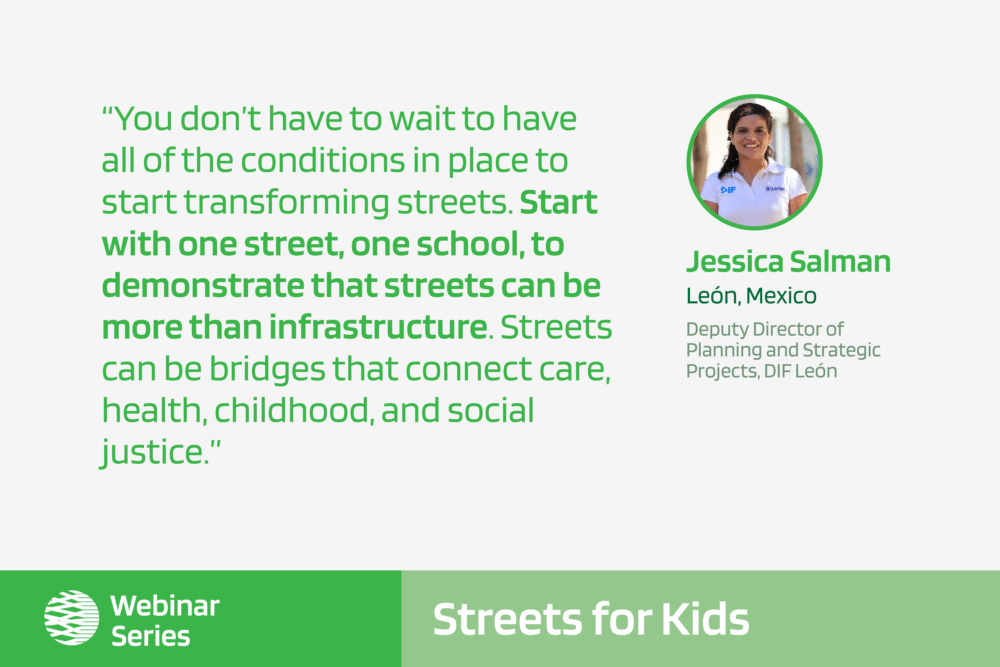
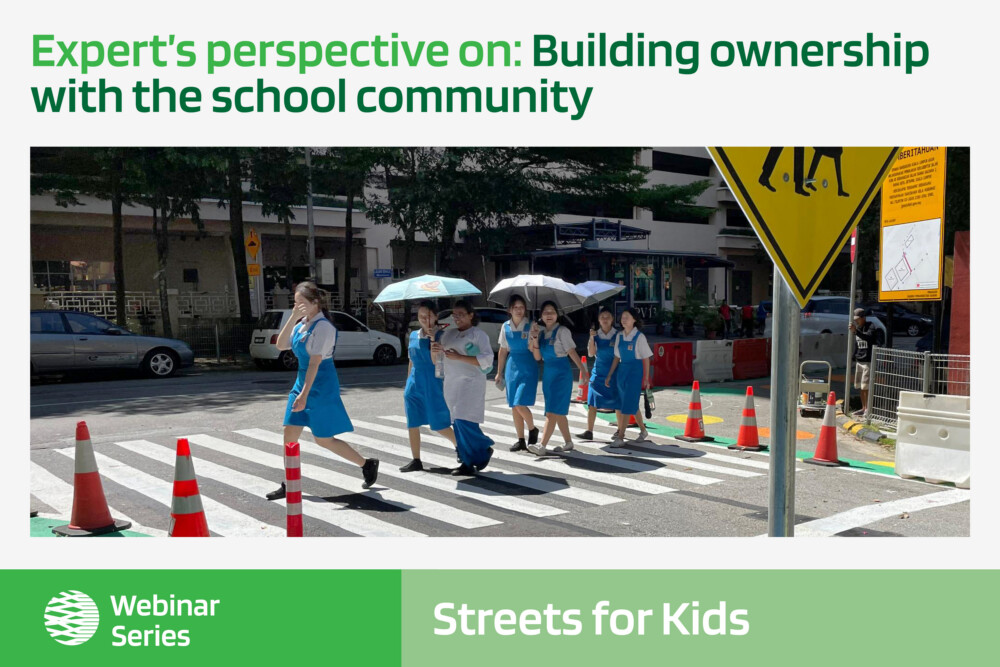
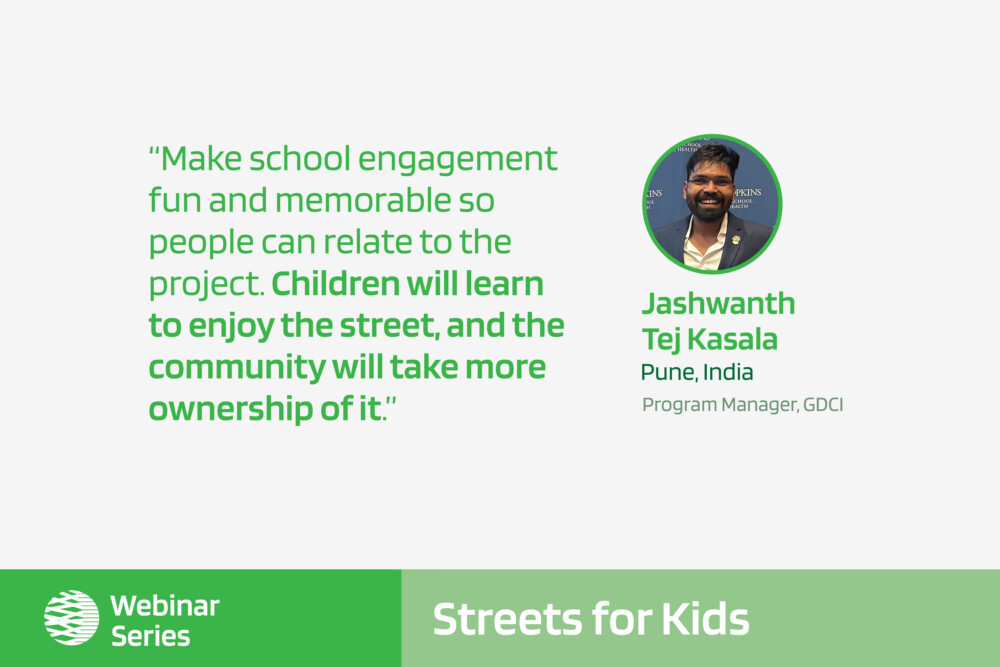
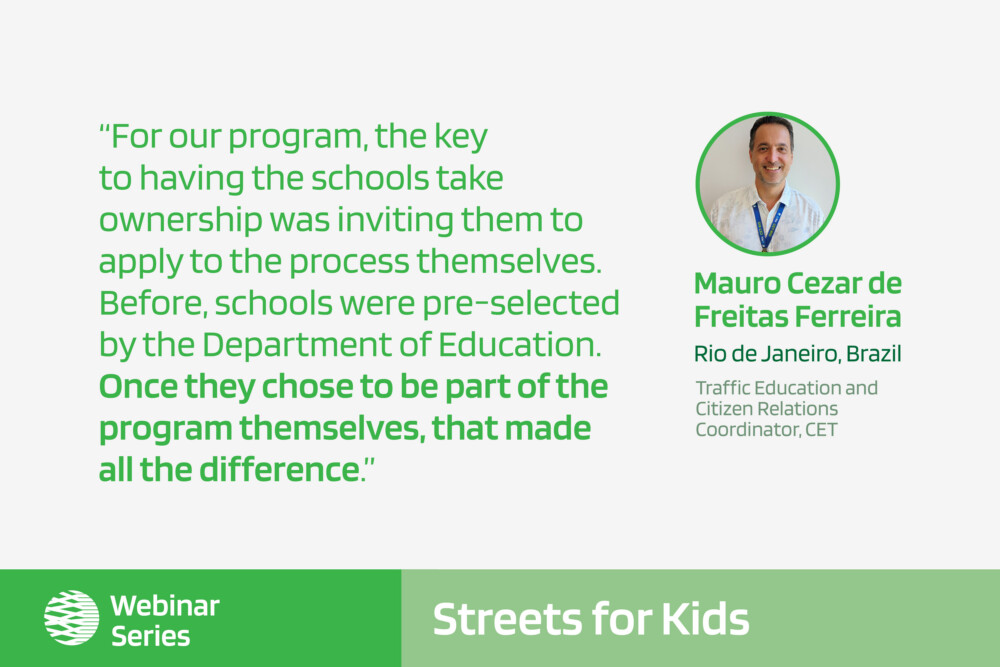
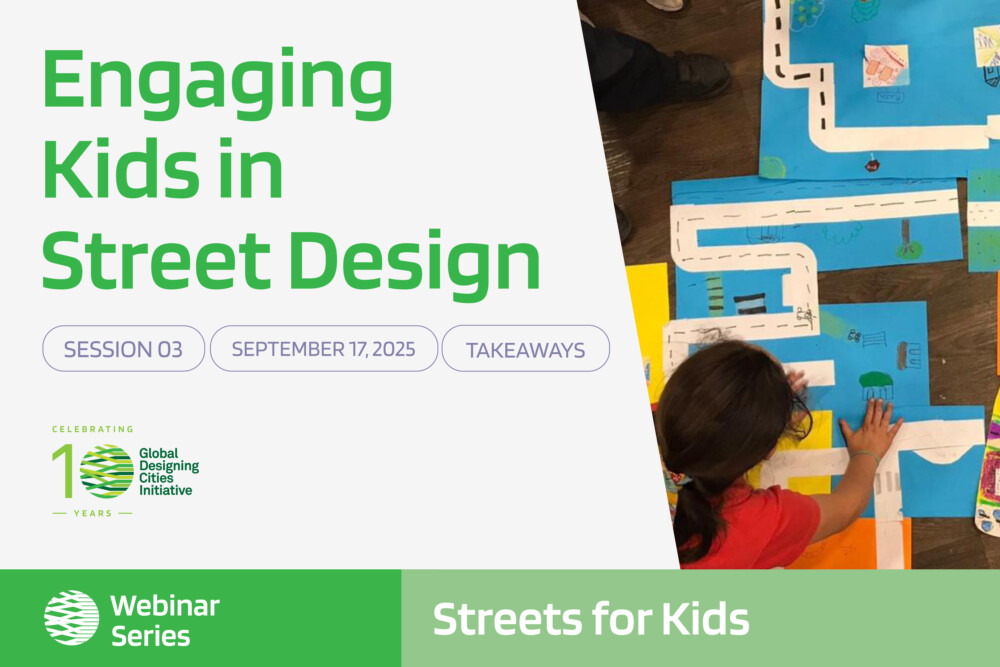
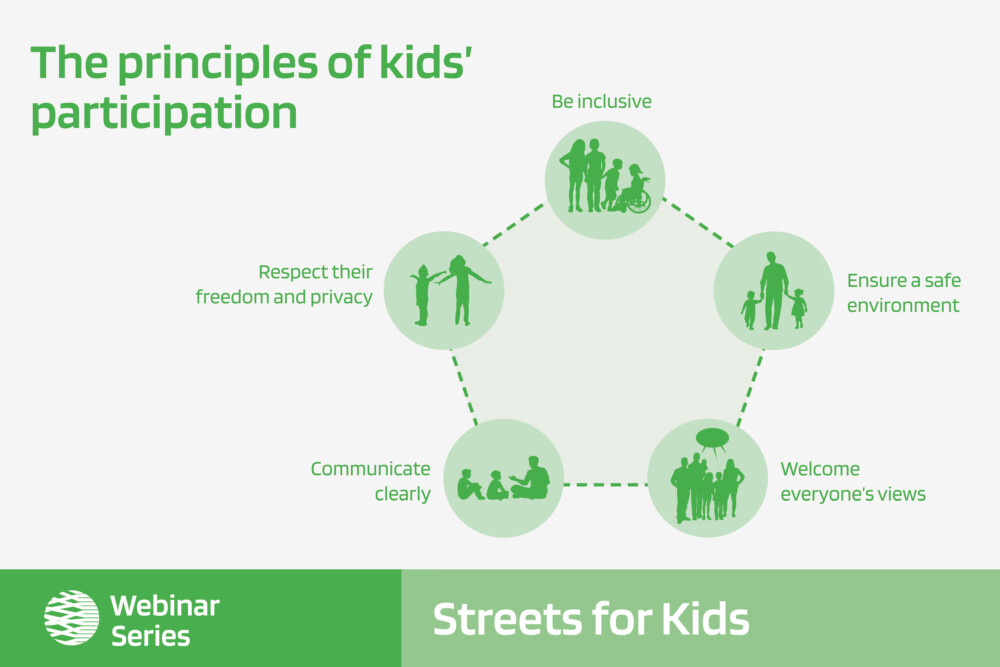
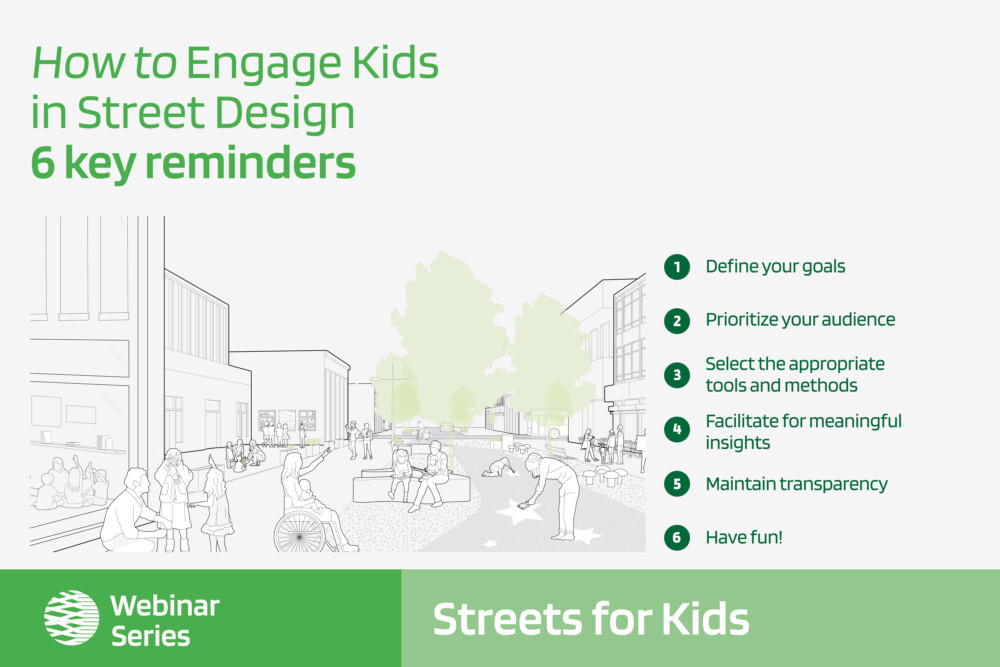
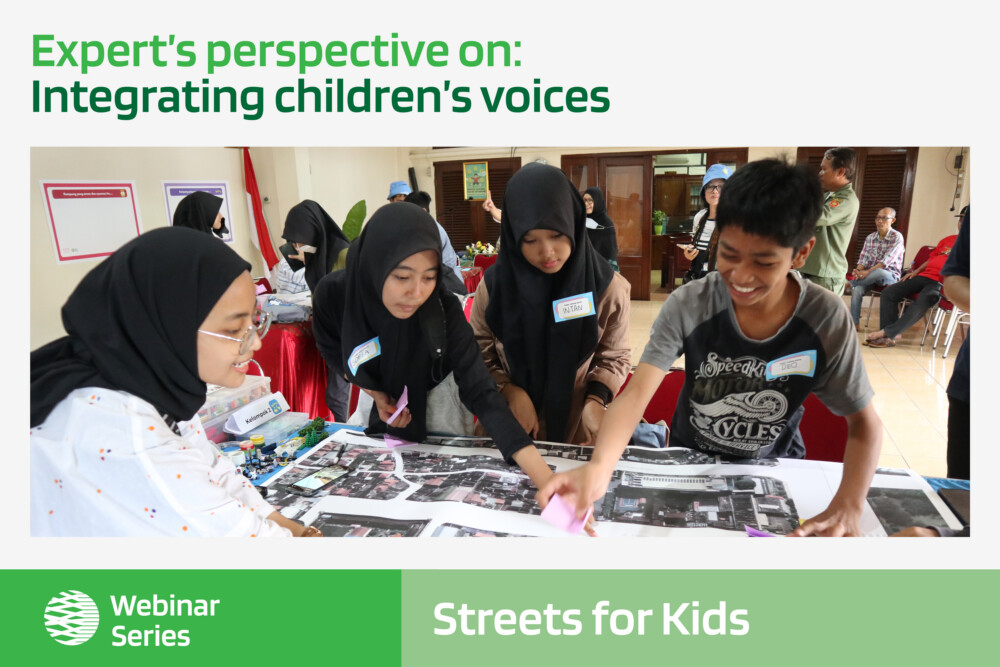
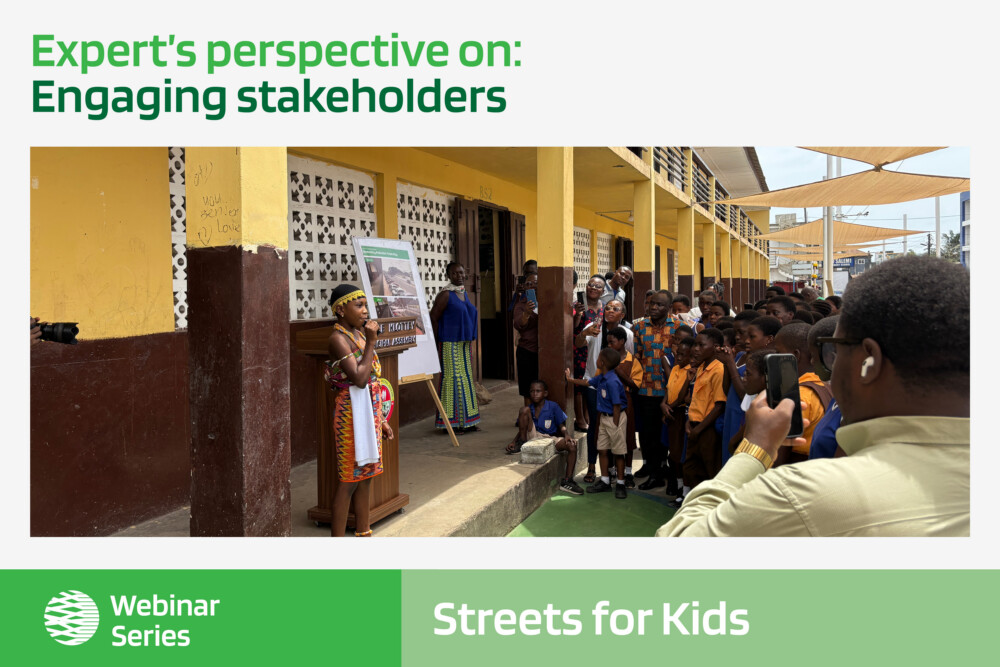
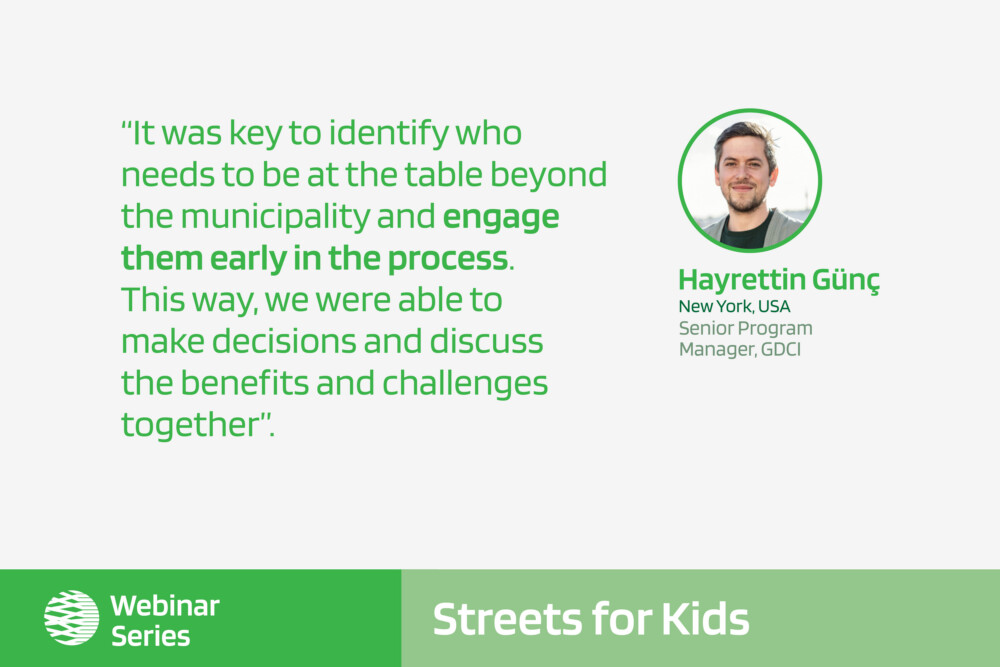
- Don’t design with children in mind, design with them! Transforming streets for children is most successful when they are appropriately engaged. Ensuring their voices are heard and involving them in decision-making as active stakeholders in design processes is paramount. Understanding children’s unique experiences helps design better streets and often helps build support in their communities.
- Look to other cities for inspiration, insights, and actionable ideas. We often hear “we can’t do this here” when we share case studies of streets transformed in a child-friendly way. Rather than drawing a strict comparison, taking a hard look at how things are done in your community, drawing inspiration from other cities, and taking action can show the way. Ask yourselves: “What can I take away from this example? What small change can I make in my city? What things are already in my toolbox?” Don’t be discouraged if you don’t have the answers. This is an iterative and collaborative process. Remember: This is a global community, reach out!
Be part of a global movement!
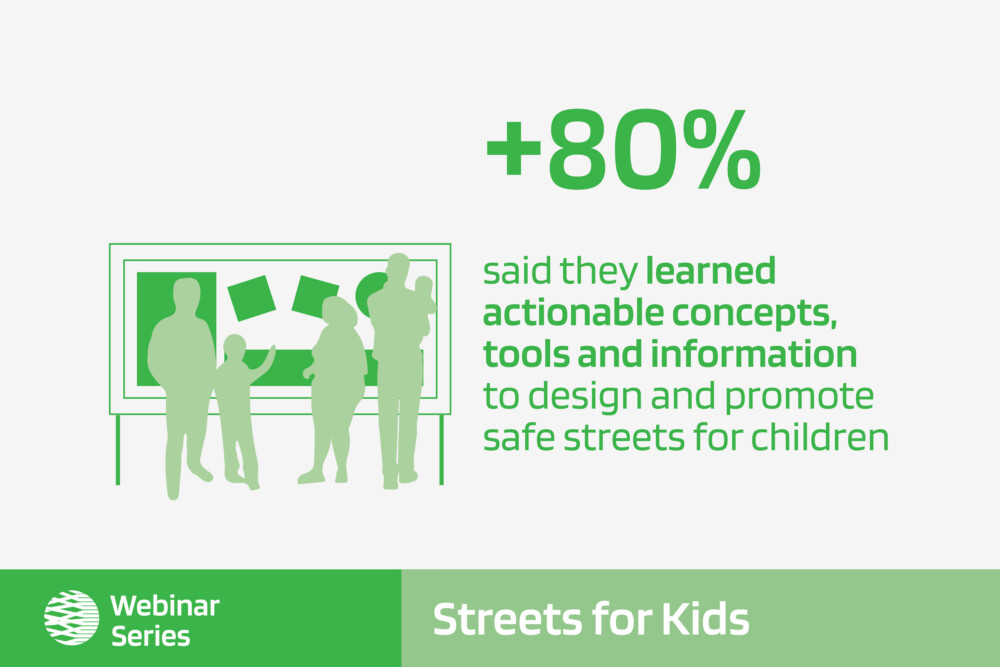
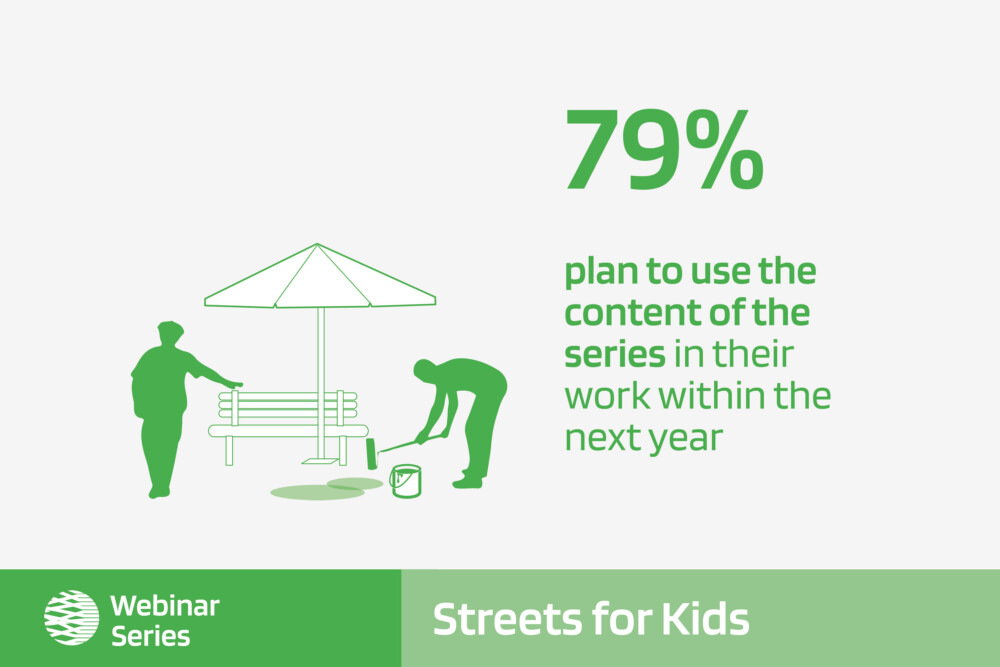
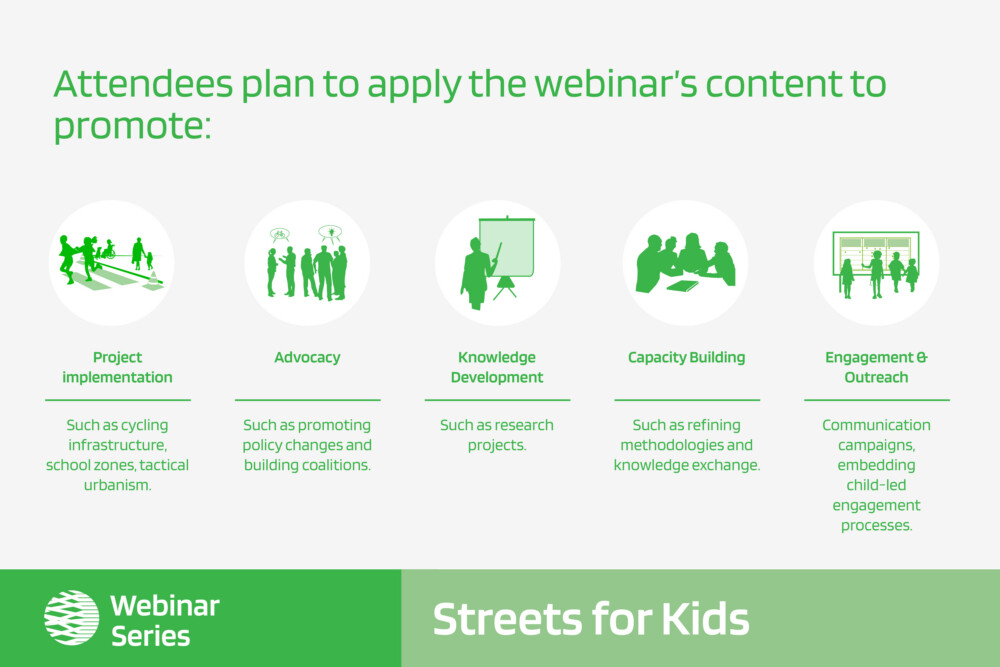
The webinar sessions are over, but our work is not. Whether you are conceptualizing, planning, or implementing a project for children, big or small, you are part of a growing movement to put children at the center of our streets. Just as many participants in the webinar series left sessions armed with actionable strategies and knowledge to guide implementation, it is time to turn these ideas into actions to transform streets into more active, safer, and healthier places.
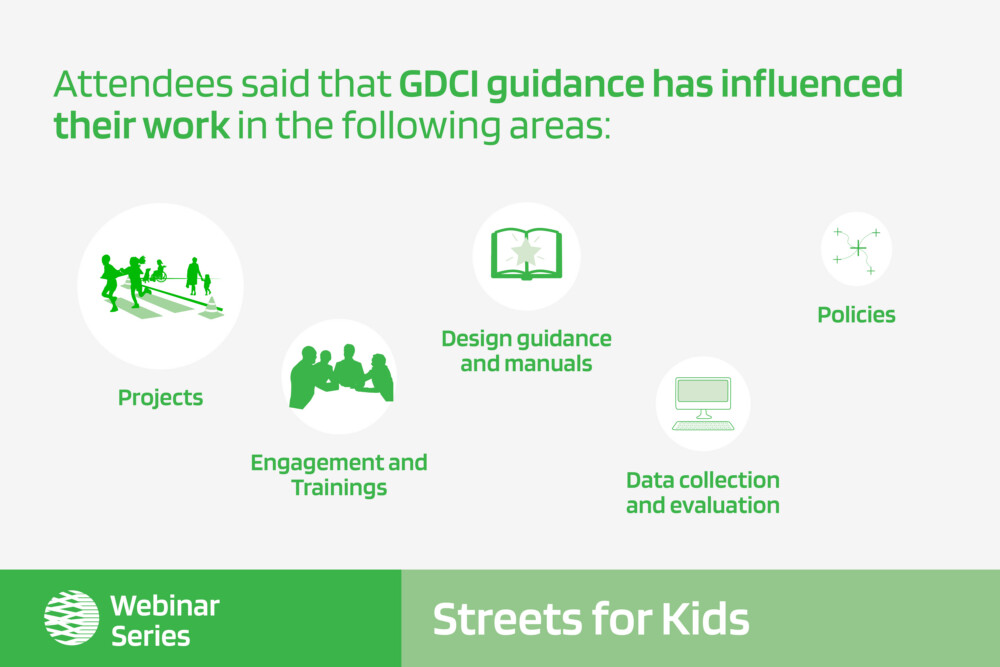
We have many resources to inform on-the-ground decisions—from project design to policy development. To dive into compelling and actionable Streets for Kids content, watch the webinar recordings and download our guides!
Note: Some quotes were edited for clarity.
Watch the sessions
- Designing Streets for Kids
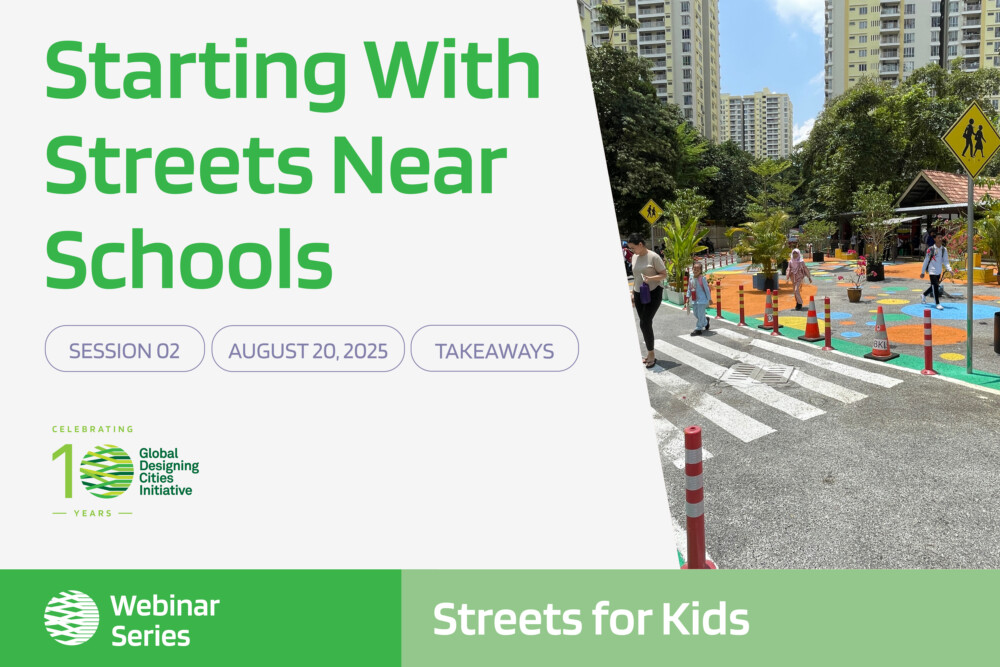
- Starting with streets near schools
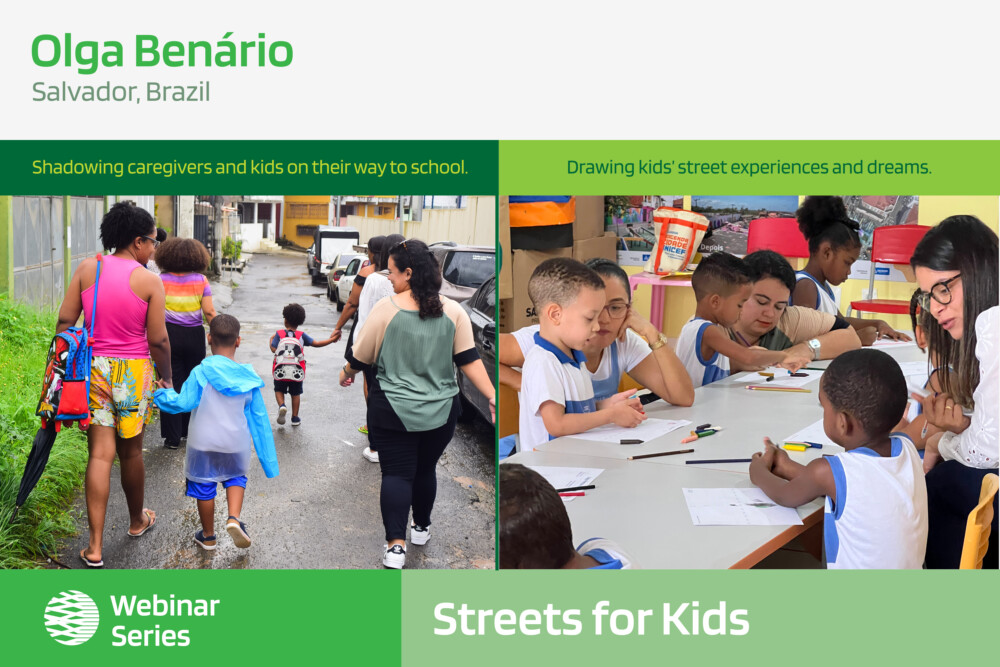
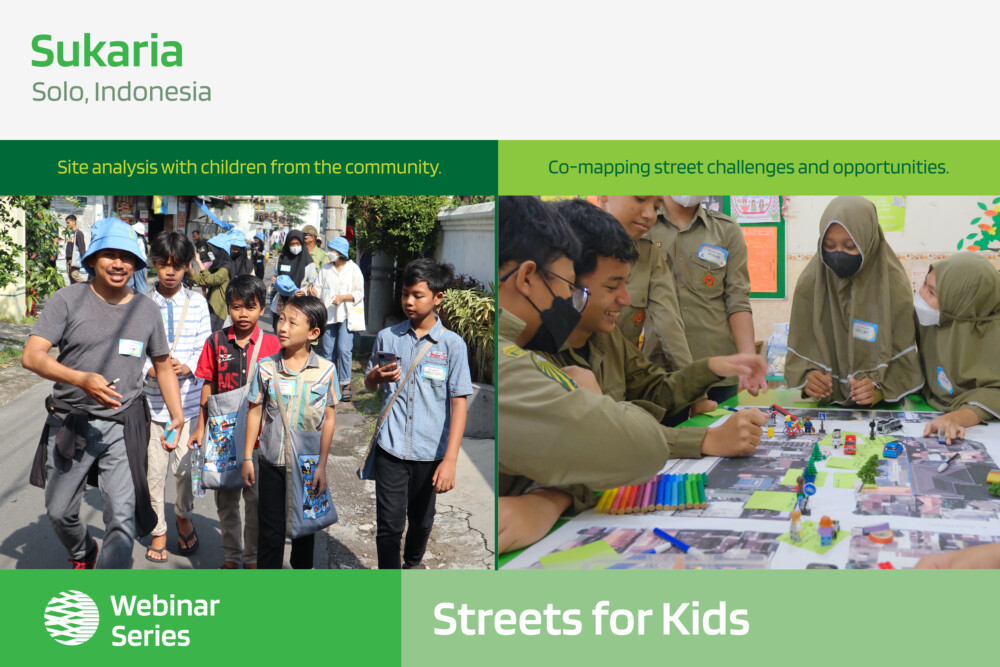
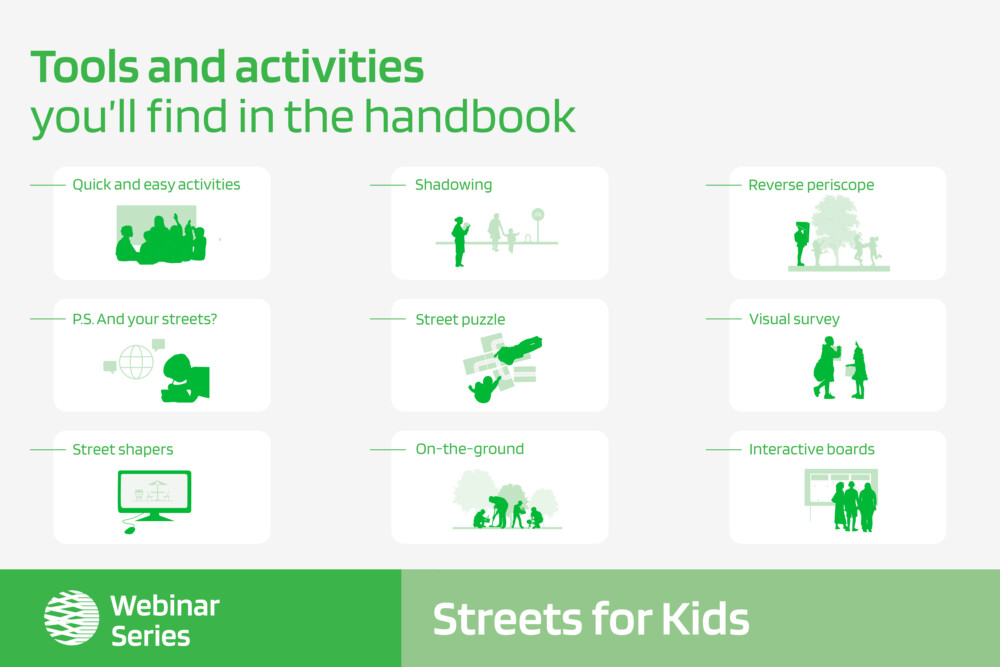
- Engaging Kids in Street Design
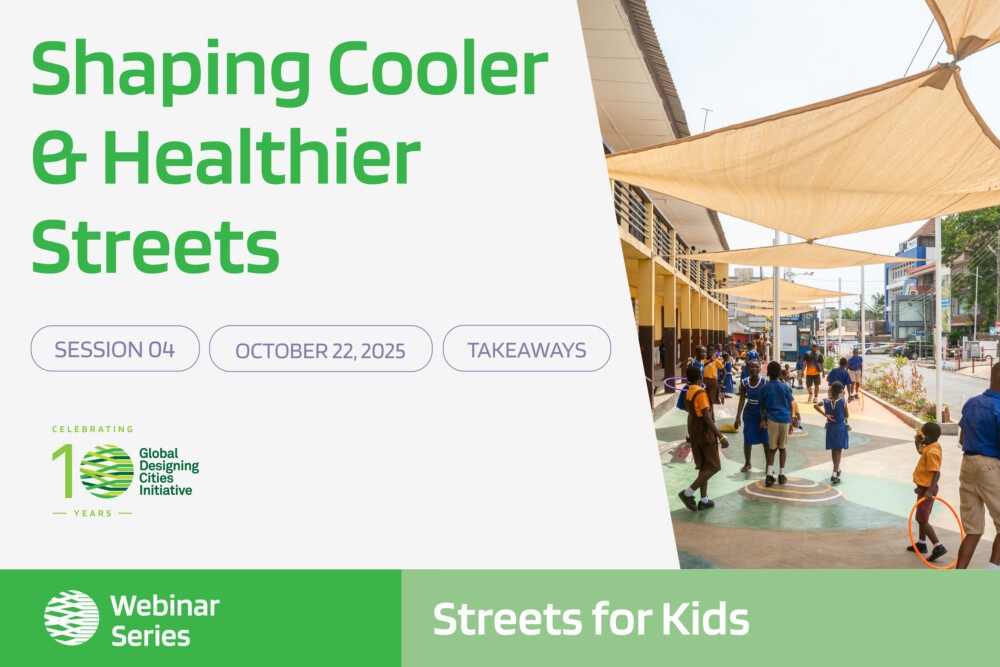
- Shaping Cooler and Healthier Streets
- Promoting Cycling for All Ages
Access the full sessions: