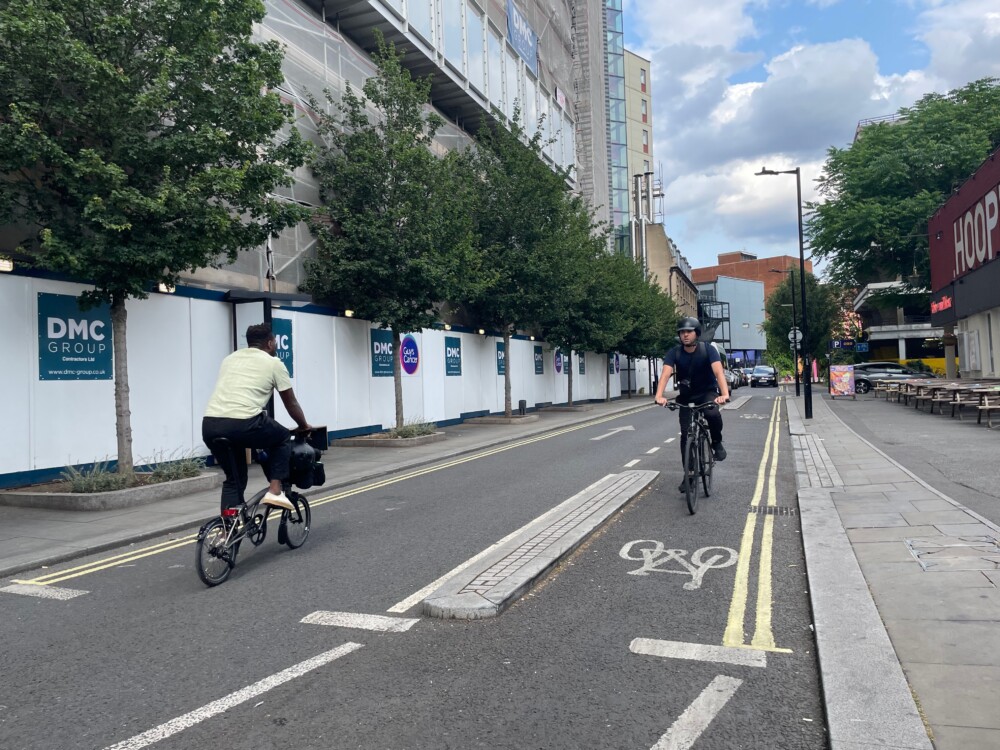
Introducing BICI Global Advisor Cities: Learning from the world’s leading cycling cities to shape the next generation of safe, connected cycling networks.
Drawing on their cities’ experience in advancing cycling, the BICI Global Advisors advisors will bring valuable perspectives on what it takes to build safe, connected, and accessible cycling infrastructure—and how cities can turn ambition into lasting change.
Introducing BICI Global Advisor Cities: Learning from the world’s leading cycling cities to shape the next generation of safe, connected cycling networks.
Drawing on their cities’ experience in advancing cycling, the BICI Global Advisors advisors will bring valuable perspectives on what it takes to build safe, connected, and accessible cycling infrastructure—and how cities can turn ambition into lasting change.
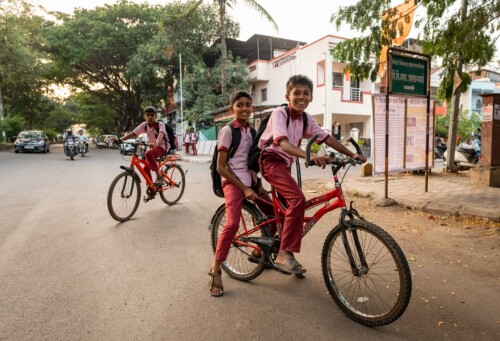
Introducing the Selection Committee for the Bloomberg Initiative for Cycling Infrastructure (BICI)
The Global Designing Cities Initiative is pleased to announce the Selection Committee for the Bloomberg Initiative for Cycling Infrastructure (BICI). The Selection Committee members bring decades of diverse experience working in transportation and urban design in cities around the world. Together they will advise the city selection process, including reviewing and providing feedback on BICI’s application finalists.
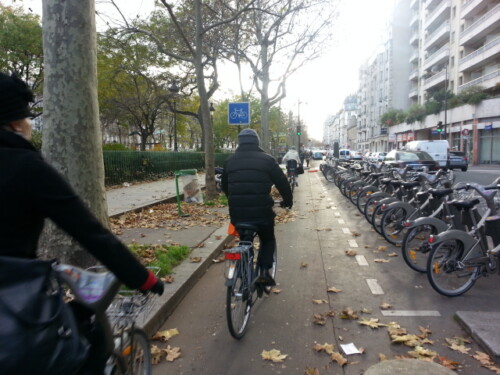
Bloomberg Philanthropies and Global Designing Cities Initiative Open Applications for Next Phase of Cycling Infrastructure Program
Announcing the next round of the Bloomberg Initiative for Cycling Infrastructure, a program helping cities around the world rethink their streets through safer, more connected cycling infrastructure.
GDCI and the Bloomberg Initiative for Global Road Safety: A 6-year Status Update
GDCI has been proud to lead and support the design, delivery, and evaluation of safe street infrastructure across 16 cities in 10 countries as a Bloomberg Philanthropies Initiative for Global Road Safety (BIGRS) Partner. We look back at the last six years of achievements.
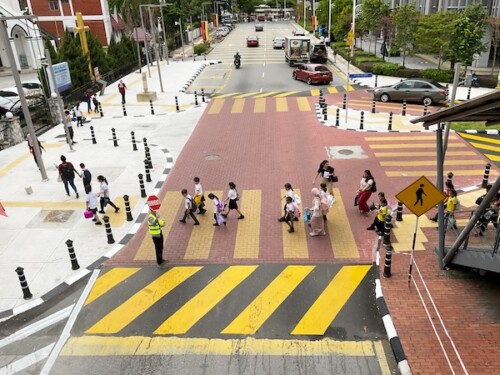
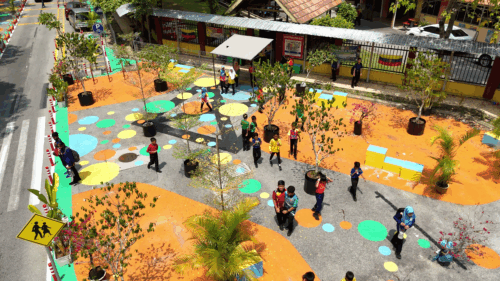
In the heart of Setapak, Kuala Lumpur, where speeding vehicles and pedestrian movement intertwine daily, SK Danau Kota 2 has become the focal point of a transformative initiative aimed to make school streets safer for students to walk and cycle. This project was backed by the Bloomberg Initiative for Global Road Safety (BIGRS), a program that has committed to address rising concerns over road traffic deaths and support road safety interventions in cities worldwide.
Stay informed
Sign up for our newsletter to receive GDCI updates
Scaling up Streets for Kids: Highlights from the 2025 Streets for Kids Leadership Accelerator
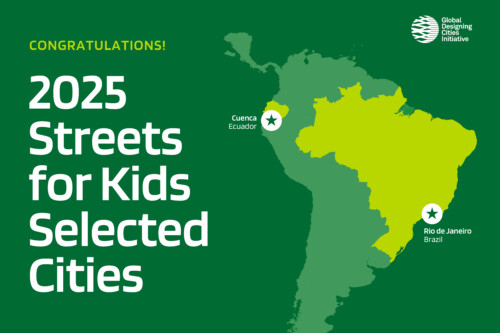
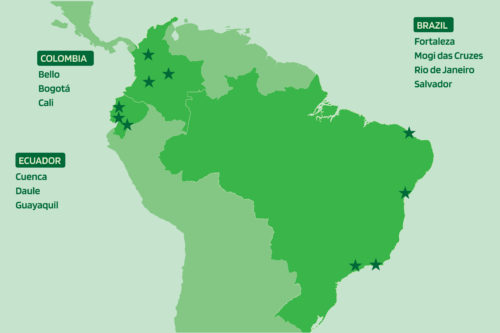
In 2025, GDCI brought together a selected group of 10 city teams working to scale up their efforts to create more and better Streets for Kids in Brazil, Colombia, and Ecuador through multiple projects, programs, and policies. Here’s a look back and key learnings from a two-month online capacity-building program.
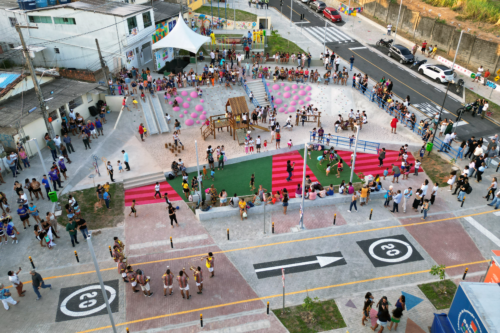
In October 2024, the Streets for Kids project was inaugurated in the Jordão neighborhood in Recife, Brazil, a community where children faced multiple challenges accessing safe and high-quality public spaces. Heavy rains, frequent flooding, and landslide risks often made their journey to school dangerous and unpredictable. Throughout the process, children, caregivers, school staff, and residents were engaged to co-create solutions that improve access to schools, supporte outdoor play and social connection, and set a precedent for future child-focused street transformations in Recife.
Creating Safer Spaces for Play: Tackling Air Pollution in Accra
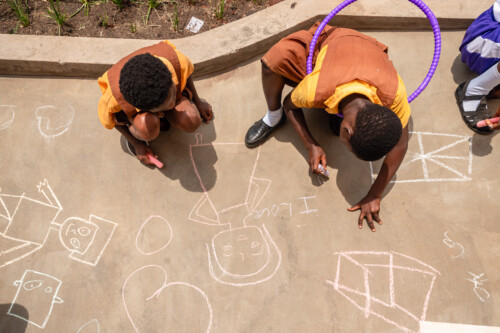
In collaboration with the Korle Klottey Municipality and with support from the Clean Air Fund, GDCI launched the Removing Pollution from Play project in late 2023, with the aim to tackle air pollution in school environments by implementing practical solutions, raising awareness, and empowering communities to advocate for cleaner air. In March 2025, the completed intervention was inaugurated, and the new safe play space now serves over 150 students in Accra.
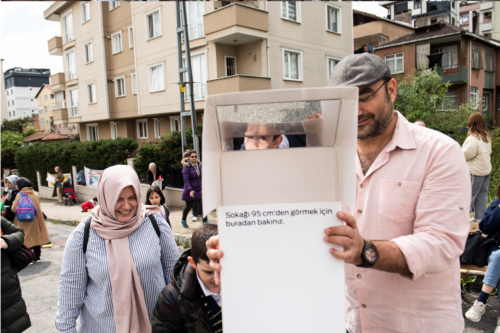
Since its launch in 2023, cities around the world have embraced the reverse periscope as a playful tool to reimagine streets from a child’s perspective. From community walkshops to international conferences, the tool is helping spark deeper conversations about child-friendly design. Discover how practitioners are using it to shift perspectives—and shape safer, more joyful streets for kids.
Scaling Impact: Ten Cities Join the 2025 Streets for Kids Leadership Accelerator
As GDCI welcomes ten cities to scale up the impact of their Streets for Kids projects as part of the 2025 Leadership Accelerator, we invite them to share their past accomplishments and bold visions.
On GDCI’s 10th Anniversary, announcing ten inaugural winners of the Street Shaper Award
Ten years in to GDCI, we’ve worked to transform streets around the world, inspiring leaders, informing practitioners, and inviting communities to imagine what’s possible when we design streets that put people first. But none of it would have been possible without the enthusiastic collaboration of urban leaders around the globe, who continue to pave the way for safer streets and better cities. In celebration of these leaders and their impact, GDCI is introducing the Street Shaper Awards.