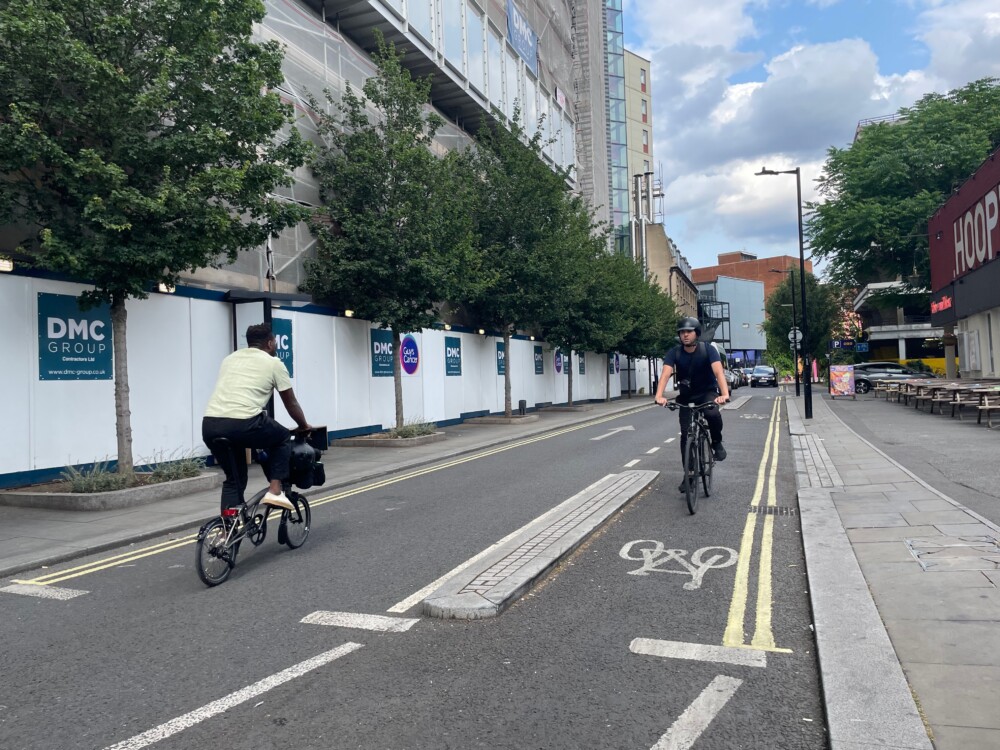
Introducing BICI Global Advisor Cities: Learning from the world’s leading cycling cities to shape the next generation of safe, connected cycling networks.
Drawing on their cities’ experience in advancing cycling, the BICI Global Advisors advisors will bring valuable perspectives on what it takes to build safe, connected, and accessible cycling infrastructure—and how cities can turn ambition into lasting change.
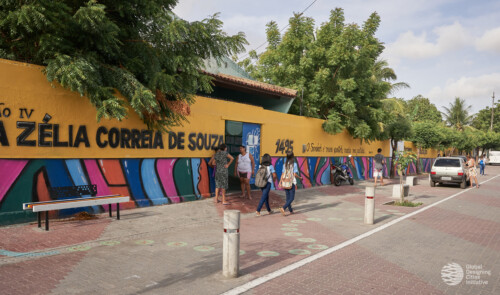
Caminhos da Escola: How Streets for Kids transformed school streets in Fortaleza’s Planalto Ayrton Senna neighborhood
In 2019, Fortaleza established the Caminhos da Escola (Pathways to School) program with the goal of reducing the number of children killed and injured in road crashes.
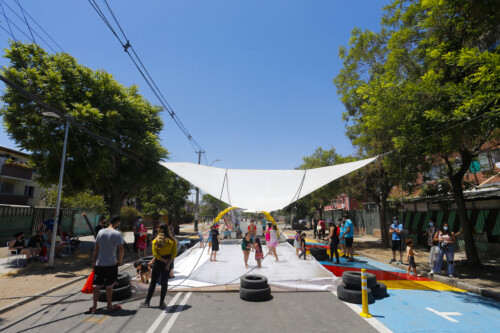
My Way to School: Making kids’ journeys to school in Santiago, Chile, safer and more enjoyable
In 2019, the GDCI team selected the capital city of Santiago, Chile, as a Streets for Kids Technical Assistance project. Together with Ciudad Emergente, a Chilean nonprofit, we selected Enrique Soro street as the project site. The project’s main objectives were to establish safe intersections, extend sidewalks, and reduce speeds.
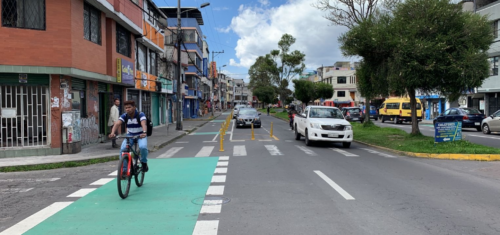
Committed to making its streets more cycle-friendly, Quito, Ecuador, has implemented large-scale, successful cycling infrastructure projects that make it a cycling success story.
Sixty leaders, twenty cities, one focus: How to make better streets for kids
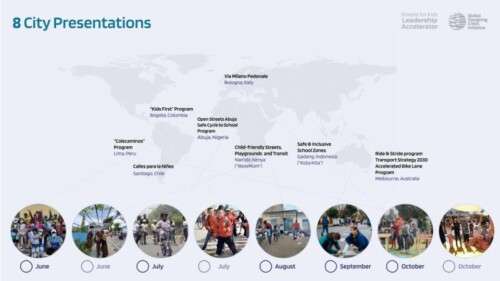
GDCI’s first-ever Streets for Kids Leadership Accelerator welcomed 60 professionals from 20 cities around the world, all working at the intersection of children’s wellbeing and transportation. This competitively selected group came together for twelve online sessions over a six months period for an intensive course in street design best practices. Perhaps most importantly, this was a unique opportunity for them to share ideas, questions, and strategies with each other. Here’s a look back at what went into this program.
Introducing the Advisory Committee for the Bloomberg Initiative for Cycling Infrastructure (BICI) Program
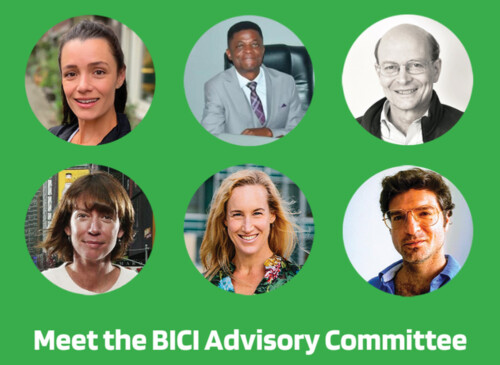
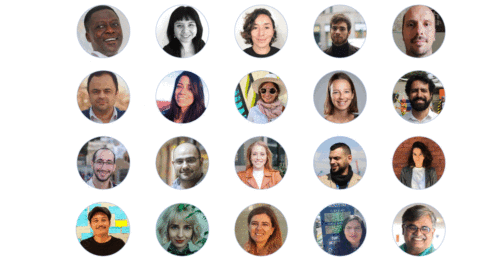
The Global Designing Cities Initiative announced the Advisory Committee for the Bloomberg Initiative for Cycling Infrastructure (BICI) Program. The BICI Advisory Committee members bring decades of experience working in transportation and urban design in cities around the world. Together they provide diverse backgrounds in sustainable mobility and urban development, and collectively they will advise the city selection process, including reviewing and providing feedback on BICI’s application finalists.
On November 1, 2, and 3 we hosted three webinars about the Bloomberg Initiative for Cycling Infrastructure (BICI). These sessions provided an overview of the program, who’s eligible, the application process, and gave city leaders an opportunity to ask questions.
We want to help your city submit a strong application to BICI. In early November, we held informational webinars where we answered questions about the program and how to apply. Answers to some of the most frequently asked questions about BICI can be found here.
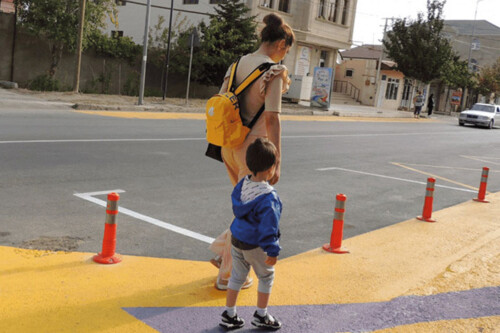
A street transformation in Sumgayit City, Azerbaijan, aims to reduce speeding and protect pedestrians
EASST, AMAK, and GDCI worked with the Sumgayit City Police and local engineers to develop plans for temporary road infrastructure changes around a school entrance
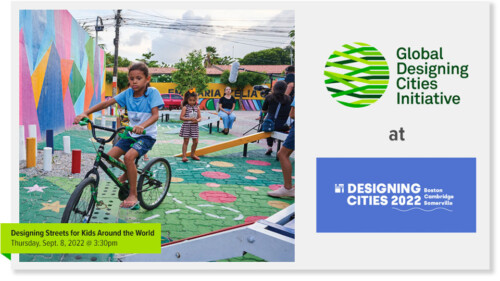
Connect with the GDCI team at NACTO’s Designing Cities 2022
NACTO’s 2022 Designing Cities conference will come together in Boston, Cambridge, and Somerville, Massachusetts, next week and the Global Designing Cities Initiative team is excited to be presenting three sessions throughout the event.